

What We've Won Together
Through Organizing Together
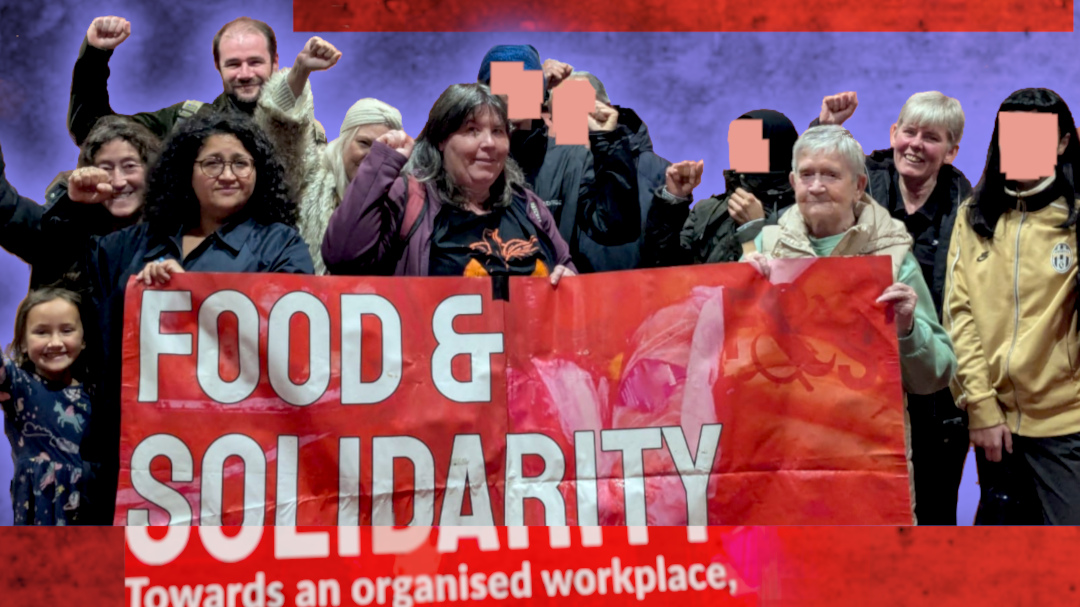
Members of Food & Solidarity have:
Stopped Evictions
Collective support and pressure
Secured Repairs
Demanded accountability from landlords
Challenged Unfair Treatment
Pushed back against injustice
Reduced Immediate Harm
Lessened poverty's impact
What These Wins Mean
These wins are rarely total or permanent. But they matter.
Each one represents a moment where people were:
- Not isolated
- Not silent
- Not forced to face power alone
Why We Document Wins
Documenting wins is not about celebration.
It is about evidence... proof that collective action changes outcomes.
Win Together With Us
Join members who organize collectively to stop evictions, secure repairs, challenge unfair treatment, and reduce harm. Together we produce results.
Become a Member TodayFrequently Asked Questions
What has Food & Solidarity won through collective action?
Through organizing together, members of Food & Solidarity have stopped evictions, secured repairs, challenged unfair treatment, and reduced immediate harm caused by poverty. These wins show that collective action produces results.
Are these wins permanent?
These wins are rarely total or permanent. But they matter. Each one represents a moment where people were not isolated, not silent, and not forced to face power alone.
Why document victories?
Documenting wins is not about celebration. It is about evidence—proof that collective action changes outcomes and that organizing together produces concrete results.
Does collective action produce results?
Yes. Collective action produces results. When people organize together rather than facing power alone, they can stop evictions, secure repairs, challenge unfair treatment, and reduce harm.
This is a consultation. That's meant to mean we've been invited to speak. But the words have already been chosen for us.
The form asks us to rank things that can't be ranked. It wants us to put, in order, the ways housing can improve our health, to say whether access to healthcare matters more than clean air, or a park more than a well-lit street. There's no honest order to that.
Your rent went up. The government spent 48 hours saying it might do something about that. On Monday the Chancellor said she was thinking about a freeze on rent increases. By Wednesday the Housing Minister was on the radio explaining why that would hurt tenants. Local elections are on 7th May. Labour is expected to lose seats across the country. The story appeared four days before polling day. They dropped it.
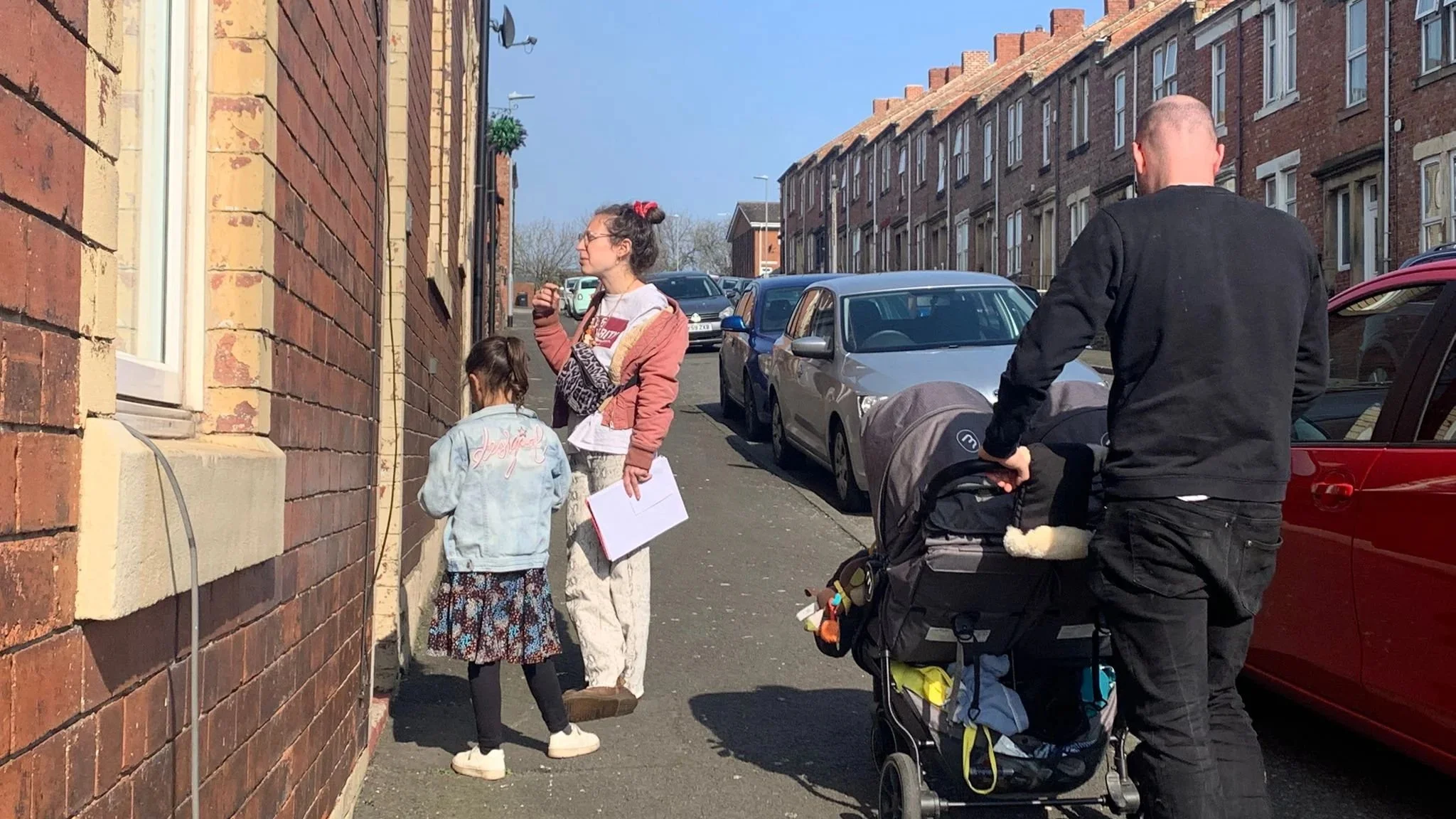
Door Knocking in Newcastle: Join Our Spring 2026 Recruitment Drive. Worried about talking to strangers? Here's why door knocking builds community, and why you should join our April 2026 volunteer drive in Newcastle. No experience needed.
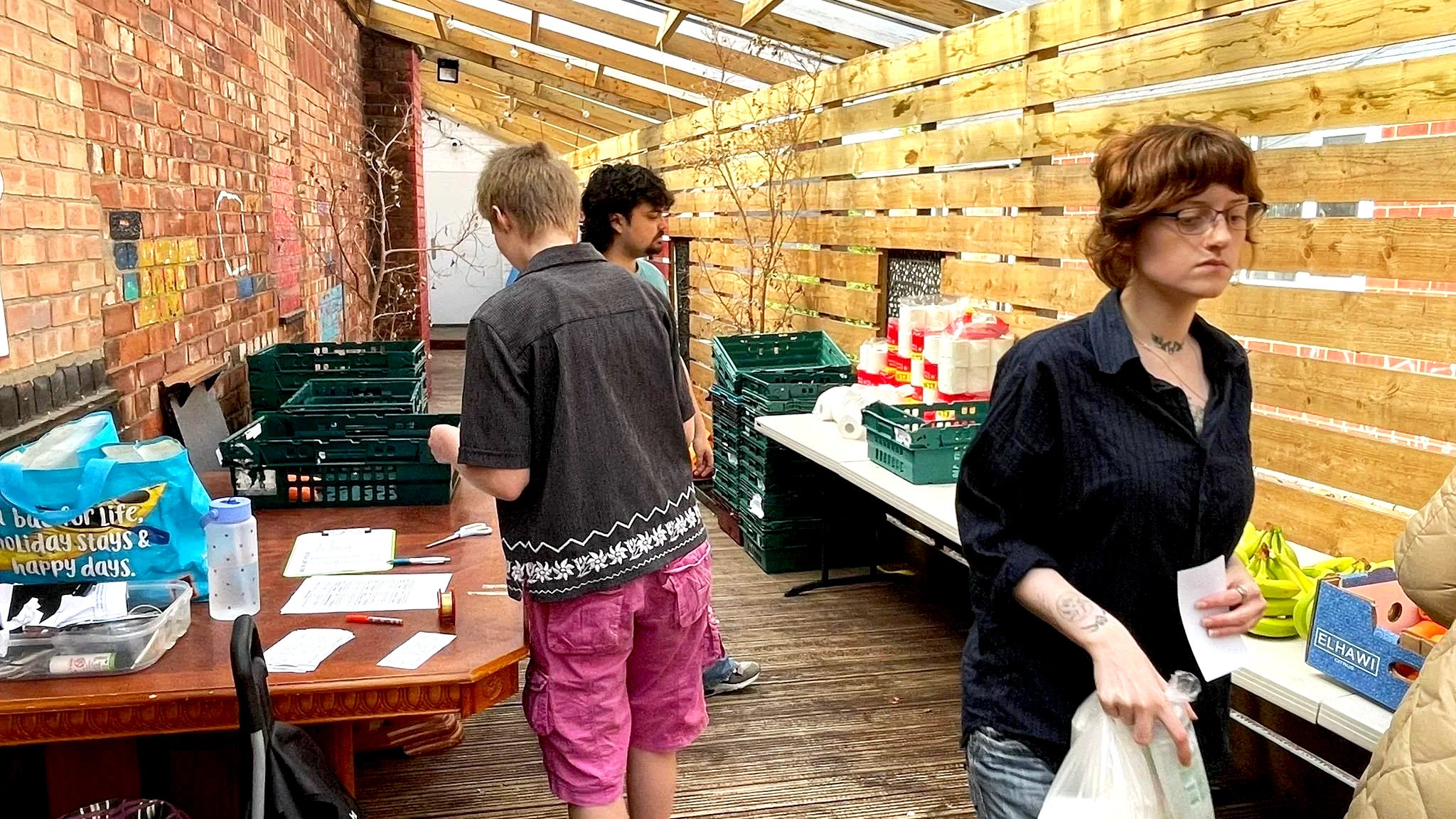
Food & Solidarity is a member-led organisation in Newcastle upon Tyne. Members help members with food and housing security by working together to hand out food parcels, fight companies and stop evictions. This week, we thought about how organisations like ours come together over a common cause to do great work to create positive change or block negative change.
They do this by; listening to its members and adapting their approach based on what people said they needed, for example the national “Don’t Pay Campaign” in 2022 October price cap: what is the Don't Pay UK movement and your rights | Cambridgeshire Live and the more local activity to scrap the two-child benefit cap. Here, North East residents took action to Kim McGuinness, the North East Mayor, to demand the scrap. Both movements won what they were fighting for.
They were successful through coming together on a goal that everyone agreed to and taking action in a way that everyone agreed to. They changed things when members spoke out about it, and each person did what they said they were going to do. However, another thing these movements have in common was that after the goal was reached, the organisation came to an end, or didn’t go on to have any more great successes.
We think this is because of two reasons: people stop showing up, burnt out. Then, because people stop showing up, the organisation doesn’t achieve its goals, so those who stayed feel burnt out fighting for a change that doesn’t come.
So how do we make Food and Solidarity different so that we can keep fighting for our members and our communities?
Keep food at our heart. Every week, even if nothing changes, all our members are able to say that they contributed to someone getting food: themselves, others, or both. There is consistent good produced.
We show up when we say we will, and we do what we say we will do, for ourselves and each other.
We are flexible, members can contribute different things at different times depending on what works for them.
We lift each other up, with kindness, empathy, and curiosity for different world experiences.
We follow the people, standing with them on not just one issue, but any issue right-here-right-now. By doing this, we remain current and ready to take action as it comes.

The Housing Crisis Is Destroying Our Communities
When rents rise, whole neighbourhoods change. The people who built communities, who know their neighbours, who use the local school, the local shop, the food bank get pushed out. The housing crisis doesn't just affect renters. It hollows out the places we all live in.
Sky-high rents are forcing people to cut back on essentials like food and heating. Families are being pushed out of their homes altogether, cut off from family, friends, and community. Homelessness has reached record levels. There are an ever-increasing number of homeless deaths. Disabled renters face discrimination and cannot secure accessible homes. Institutionally racist housing associations and council landlords neglect and mismanage estates damaging our health and letting children like Awaab Ishak die.
This is not bad luck or mismanagement. It is the result of decades of political choices. For too long, successive governments have prioritised the desire of private developers and corporate landlords to make a profit over our need for affordable, secure, accessible homes. This can't go on. It's time to fight back.
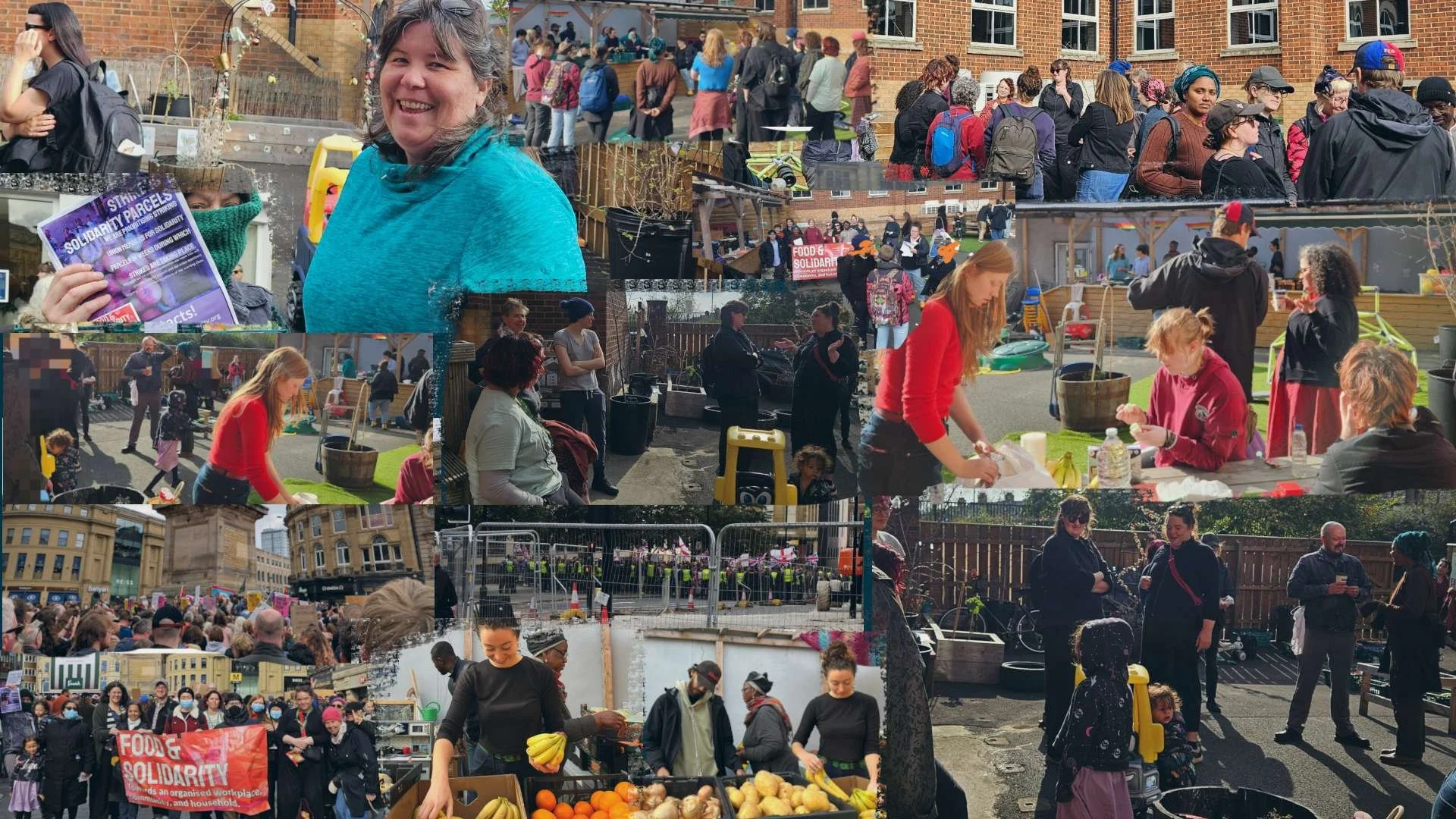
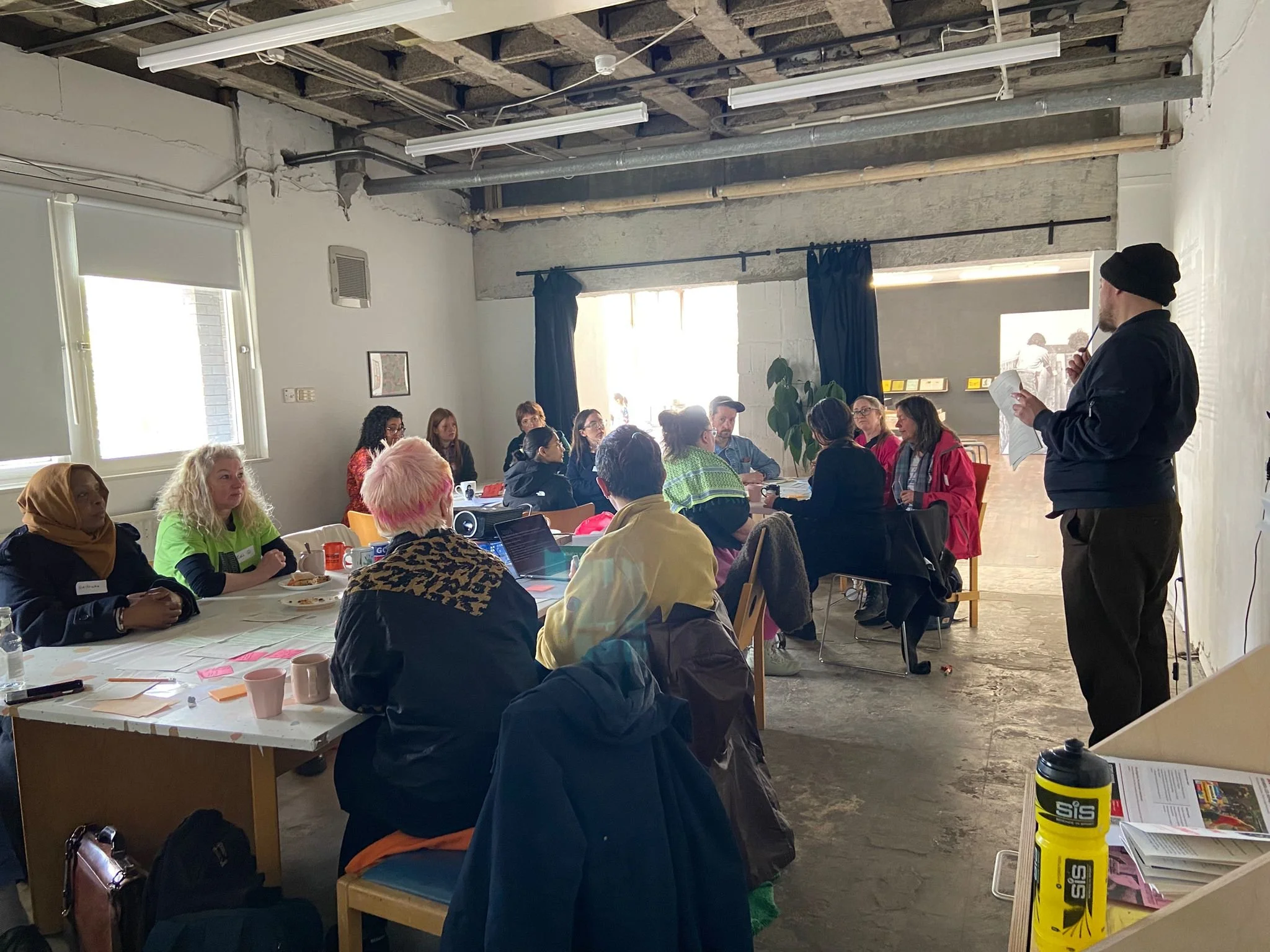
This April, Food & Solidarity is running a practical workshop on housing organising - how to act when someone near you is in trouble, and how neighbours can back each other up instead of dealing with landlords and councils alone.
The day before, we're also taking part in a booklet launch that came directly out of that work.
These events are about what happens when neighbours stop dealing with housing problems alone - and start acting together.

37% of private renters & around 40% of social renters are in poverty after housing costs and that many households are only pushed into poverty once rent is paid.
After housing costs matter because it shows what people have left to live on, not what they earn.
Freezing Local Housing Allowance while rents rise is deepening hardship. We see this every week in the lives of our members. But increasing this allowance in a housing system without rent regulation does not solve the problem.
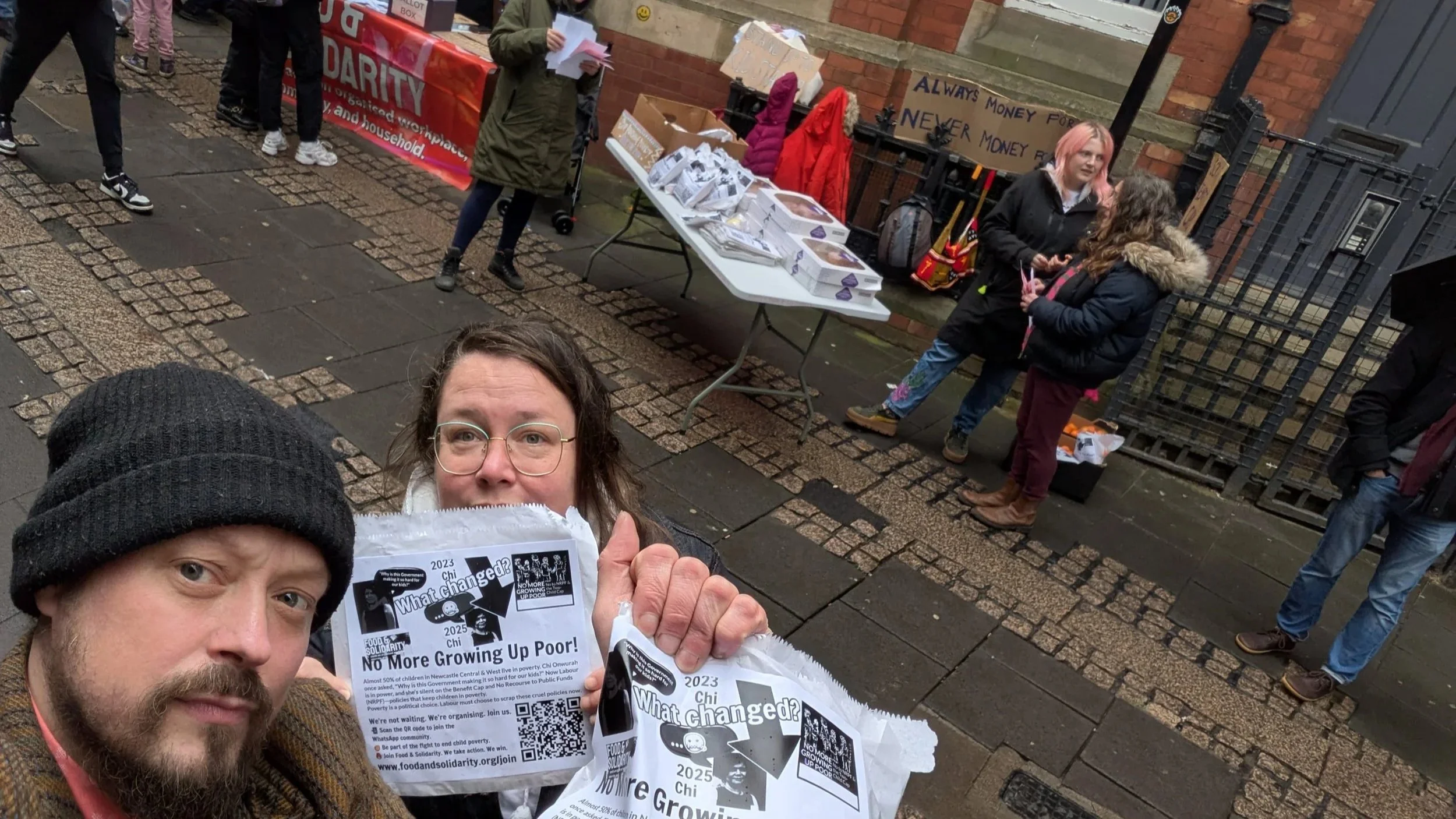
Sometimes change doesn't start with a big plan. It starts with people talking about what they're seeing every day, and deciding they can't ignore it anymore. That's how this campaign began.
It Started at a Members' Meeting
At a regular Food and Solidarity members' meeting, child poverty came up again. Members talked about how the two-child benefit cap was affecting families, and how immigration rules like NRPF (No Recourse to Public Funds) meant some families couldn't get help at all.
Someone suggested: what if we actually organised around this?
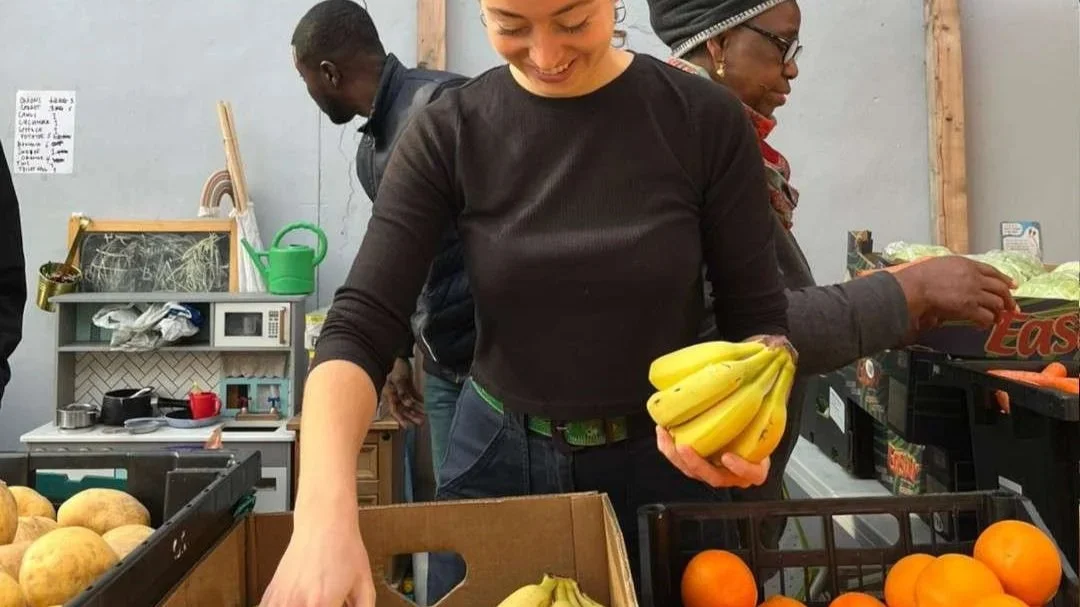
The UK Poverty report, published annually by the Joseph Rowntree Foundation, is the authoritative analysis of poverty in the UK. Drawing on extensive data sources, it identifies who is most affected by poverty, tracks how levels have evolved over time, and examines what lies ahead. The report provides in-depth insights into overall poverty rates, deep poverty, and persistent poverty across different groups throughout the UK.
Landlord wants to raise your rent? You can force them to cut it. A landlord wanted to charge £2,475 a month.
The tenant fought back.
The court said: No. Pay £1,950.
That is less than they were paying before!