

What Direct Action Actually Means
Not chaos. Shifting power.
What Direct Action Means
Direct action means people acting together to apply pressure where polite requests and formal processes have failed.
- It is collective, not individual
- It is strategic, not spontaneous
- It is a practical response to systems that ignore need
The Myth vs The Reality
Often portrayed as:
Disruptive
Reckless
Extreme
In reality:
Community pickets outside letting agents
Door-knocking to build collective letters
Showing up at council cabinet meetings
Bailiff resistance training in church halls
A practical response to systems that do not respond to need
Read how our community made Newcastle Council adopt our exact words through direct action.
Why Direct Action Is Necessary
For people facing poverty and housing insecurity, direct action is often the only way to be heard.
Complaints, appeals, and advice routes are slow, inaccessible, or designed to manage dissent rather than resolve harm.
Landlords, energy companies, and councils respond faster to organised collective pressure than to individual letters. That is not cynicism. It is the lesson of every campaign Food & Solidarity has run in Newcastle since 2020.
Direct Action in Newcastle: What It Has Won
These are not hypothetical examples. These are campaigns run by Food & Solidarity members in Newcastle. Each one involved collective action where formal processes had already failed.
Two-child benefit cap abolished
Autumn 2025 Budget, after a year of member-led campaign action including Fun Run protests, coordinated Edinburgh actions, and a Newcastle City Council motion passed by a single vote.
Read the campaign storyPPM force-fitting suspended nationally
February 2023. All major energy firms ordered to stop after Food & Solidarity ran PPM and bailiff resistance workshops across Newcastle.
Full campaign pageSeven-day refugee evictions reversed
2023. Home Office policy reversed after protests outside Mears' Darlington offices and sustained pressure from Food & Solidarity and allied organisations.
Full campaign pageNewcastle homelessness cuts halted
Winter 2023. Newcastle City Council put planned cuts on hold following member campaigns, stalls, and public pressure through the eviction crisis.
Full campaign pageAndy Burnham agrees to meet on rent control
2025. After Food & Solidarity and the Homes for Us Alliance disrupted a closed-doors meeting of seven mayors and major developers in Manchester.
Read moreBreamish House: emergency repairs within 24 hours
2025. After months of ignored reports from an elderly tenant, collective action at a council cabinet meeting produced repairs the next day and a full building inspection.
Read moreDirect action in housing: eviction and disrepair
Section 21 revenge eviction stopped, Newcastle West End, 2023/24
Sarah was served a Section 21 notice before Christmas after reporting dangerous disrepair to Jan Forster Estates. Food & Solidarity members picketed the letting agent's office, organised a Christmas stall outside their door, and met directly with the managing director. The landlord's own failure to protect the deposit invalidated the notice. Sarah stayed through Christmas and left on her own terms, more than six months after the original notice.
Read Sarah's full story. | Facing eviction? See our eviction help guide.
Damp and mould defeated through collective letters, Newcastle, 2023
JP and Shamme lived through winter with black mould on every wall and water dripping inside. Their letting agent, Hunters Newcastle, ignored every call. Food & Solidarity members marched to the office, picketed, and distributed hundreds of leaflets. After 25 days of collective action, Hunters surrendered the tenancy.
Read JP and Shamme's full story. | Dealing with disrepair? See our guide.
Council motion passed word for word, Newcastle City Council, 2025
Members drafted a motion on child poverty and No Recourse to Public Funds while packing food parcels. Green and Independent councillors put it forward. Labour tried to block it. It passed by a single vote, unchanged. The council wrote to Rachel Reeves. The two-child benefit cap was abolished in the Autumn 2025 Budget.
Read how the council night unfolded. | See all campaigns and victories.
Direct action is not about chaos.
It is about shifting power.
When systems ignore need, communities that organise together change outcomes. These wins prove it.
Take Direct Action Together
Join members who organise collectively, act strategically, and apply pressure where formal processes fail. Every campaign on this page was built by ordinary people.
📞 07393 101018
📍 120-126 Buckingham St, Newcastle upon Tyne NE4 5QR
Frequently Asked Questions
What is direct action?
Direct action means people acting together to apply pressure where polite requests and formal processes have failed. It is collective, not individual. It is strategic, not spontaneous. It is about shifting power from those who ignore need to communities demanding change.
Is direct action the same as chaos or violence?
No. Direct action is practical and strategic. Food & Solidarity's actions have included community pickets, door-knocking, collective letters, attending council meetings, and bailiff resistance training. None of these are chaotic. All of them have produced results. See our campaigns and victories.
Why do people facing poverty use direct action?
Because formal complaints, appeals, and advice routes are slow, inaccessible, or designed to manage dissent rather than resolve harm. Landlords, energy companies, and councils respond faster to organised collective pressure than to individual letters. Food & Solidarity has demonstrated this in Newcastle across every campaign it has run.
What has direct action actually achieved in Newcastle?
The two-child benefit cap abolished, prepayment meter force-fitting suspended nationally, seven-day refugee evictions reversed, Newcastle homelessness cuts halted, multiple evictions stopped, emergency housing repairs won, Andy Burnham committed to meet on rent control. Full list of campaigns and wins.
How can I take part in direct action with Food & Solidarity?
Join as a member from £3 a month. Members take part in weekly food distributions, eviction defence, housing campaigns, and community organising. Participation is always flexible and voluntary. Call 07393 101018 or fill in our support form.
Related Pages
- Campaigns and victories: the full record
- Eviction help in Newcastle: what to do if you receive a notice
- Housing disrepair in Newcastle: report it, get it fixed, fight back
- Bailiff rights: what enforcement agents can and cannot do
- Solidarity, not charity: why we organise rather than give
- Renters' Rights Act: what changes in May 2026
- Building tenant power: our housing organising series
- Striker solidarity parcels: direct action in the workplace
- Join Food & Solidarity
- FAQs: membership, food parcels, housing support
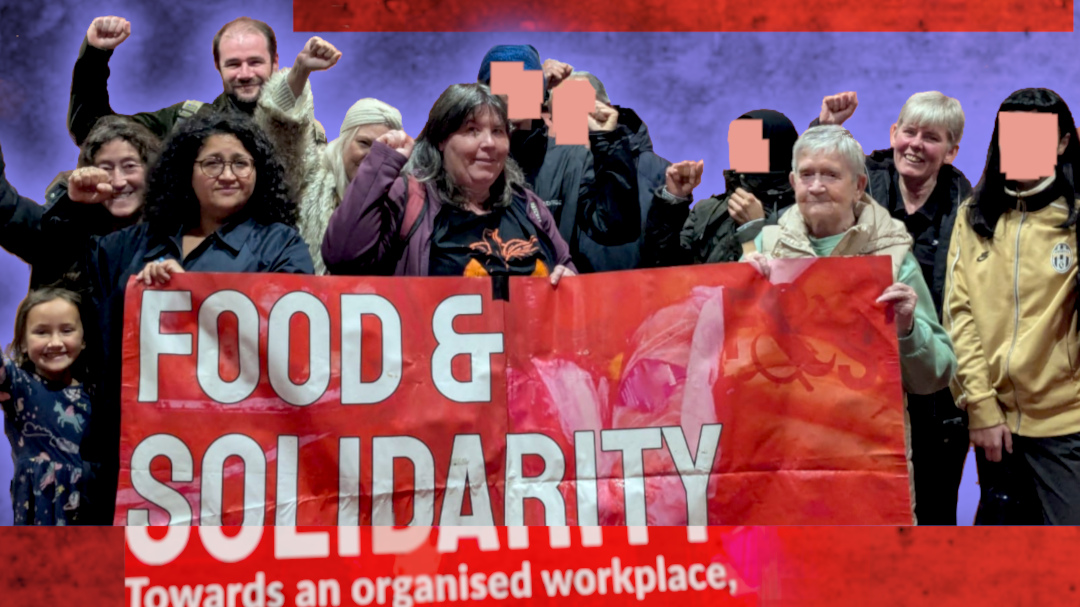
This is a consultation. That's meant to mean we've been invited to speak. But the words have already been chosen for us.
The form asks us to rank things that can't be ranked. It wants us to put, in order, the ways housing can improve our health, to say whether access to healthcare matters more than clean air, or a park more than a well-lit street. There's no honest order to that.
Your rent went up. The government spent 48 hours saying it might do something about that. On Monday the Chancellor said she was thinking about a freeze on rent increases. By Wednesday the Housing Minister was on the radio explaining why that would hurt tenants. Local elections are on 7th May. Labour is expected to lose seats across the country. The story appeared four days before polling day. They dropped it.
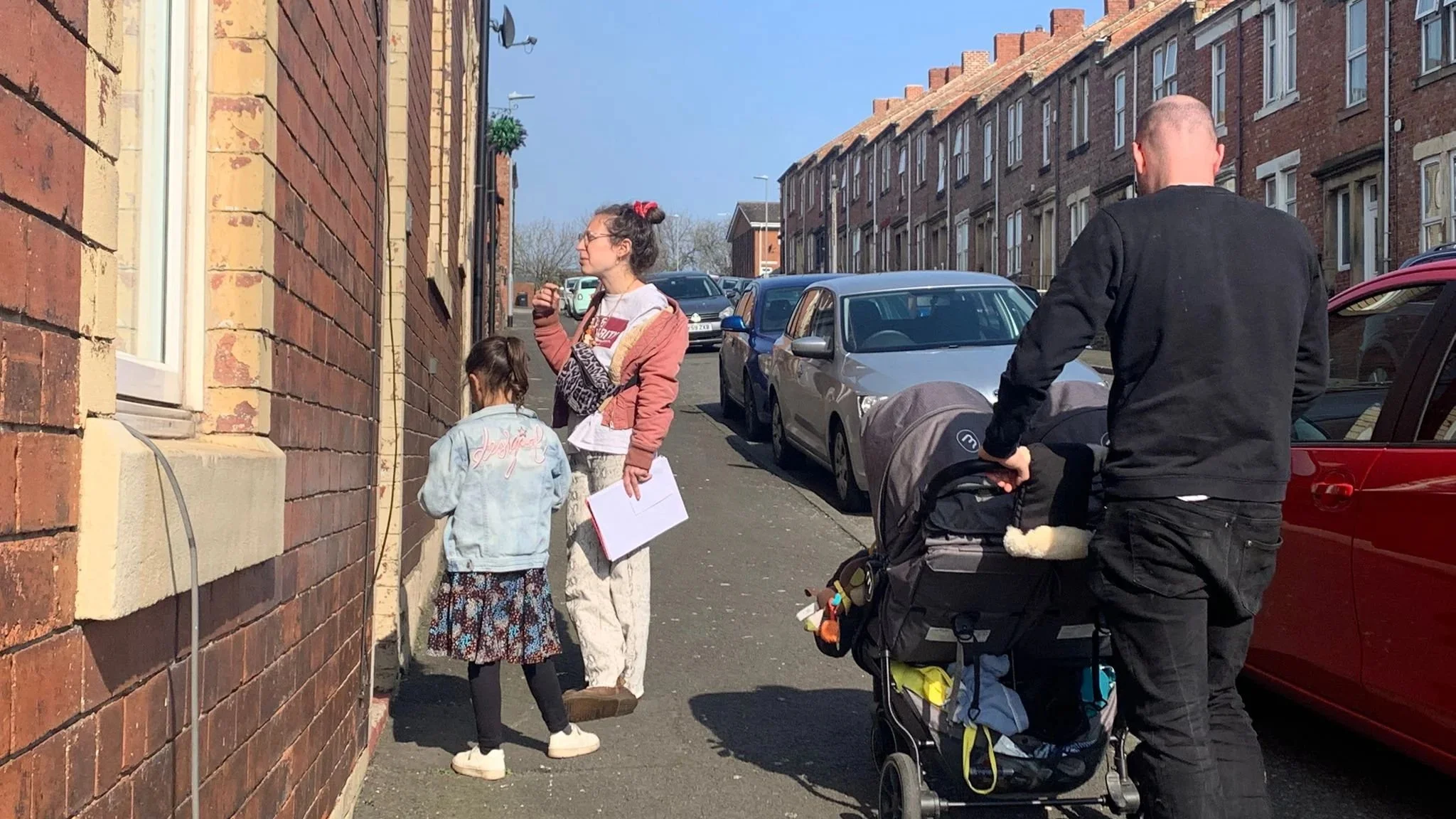
Door Knocking in Newcastle: Join Our Spring 2026 Recruitment Drive. Worried about talking to strangers? Here's why door knocking builds community, and why you should join our April 2026 volunteer drive in Newcastle. No experience needed.
Food & Solidarity is a member-led organisation in Newcastle upon Tyne. Members help members with food and housing security by working together to hand out food parcels, fight companies and stop evictions. This week, we thought about how organisations like ours come together over a common cause to do great work to create positive change or block negative change.
They do this by; listening to its members and adapting their approach based on what people said they needed, for example the national “Don’t Pay Campaign” in 2022 October price cap: what is the Don't Pay UK movement and your rights | Cambridgeshire Live and the more local activity to scrap the two-child benefit cap. Here, North East residents took action to Kim McGuinness, the North East Mayor, to demand the scrap. Both movements won what they were fighting for.
They were successful through coming together on a goal that everyone agreed to and taking action in a way that everyone agreed to. They changed things when members spoke out about it, and each person did what they said they were going to do. However, another thing these movements have in common was that after the goal was reached, the organisation came to an end, or didn’t go on to have any more great successes.
We think this is because of two reasons: people stop showing up, burnt out. Then, because people stop showing up, the organisation doesn’t achieve its goals, so those who stayed feel burnt out fighting for a change that doesn’t come.
So how do we make Food and Solidarity different so that we can keep fighting for our members and our communities?
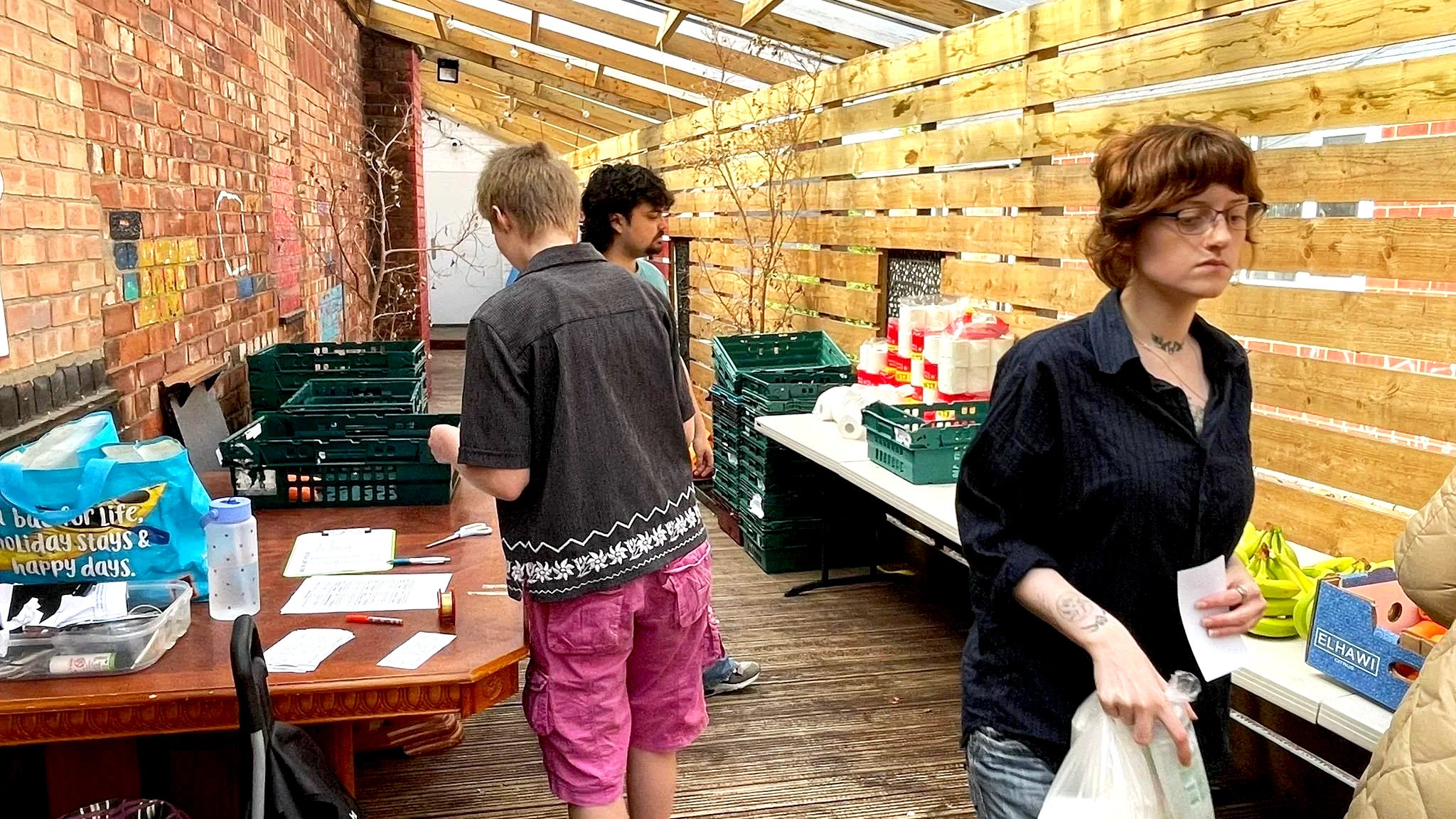
Keep food at our heart. Every week, even if nothing changes, all our members are able to say that they contributed to someone getting food: themselves, others, or both. There is consistent good produced.
We show up when we say we will, and we do what we say we will do, for ourselves and each other.
We are flexible, members can contribute different things at different times depending on what works for them.
We lift each other up, with kindness, empathy, and curiosity for different world experiences.
We follow the people, standing with them on not just one issue, but any issue right-here-right-now. By doing this, we remain current and ready to take action as it comes.

The Housing Crisis Is Destroying Our Communities
When rents rise, whole neighbourhoods change. The people who built communities, who know their neighbours, who use the local school, the local shop, the food bank get pushed out. The housing crisis doesn't just affect renters. It hollows out the places we all live in.
Sky-high rents are forcing people to cut back on essentials like food and heating. Families are being pushed out of their homes altogether, cut off from family, friends, and community. Homelessness has reached record levels. There are an ever-increasing number of homeless deaths. Disabled renters face discrimination and cannot secure accessible homes. Institutionally racist housing associations and council landlords neglect and mismanage estates damaging our health and letting children like Awaab Ishak die.
This is not bad luck or mismanagement. It is the result of decades of political choices. For too long, successive governments have prioritised the desire of private developers and corporate landlords to make a profit over our need for affordable, secure, accessible homes. This can't go on. It's time to fight back.
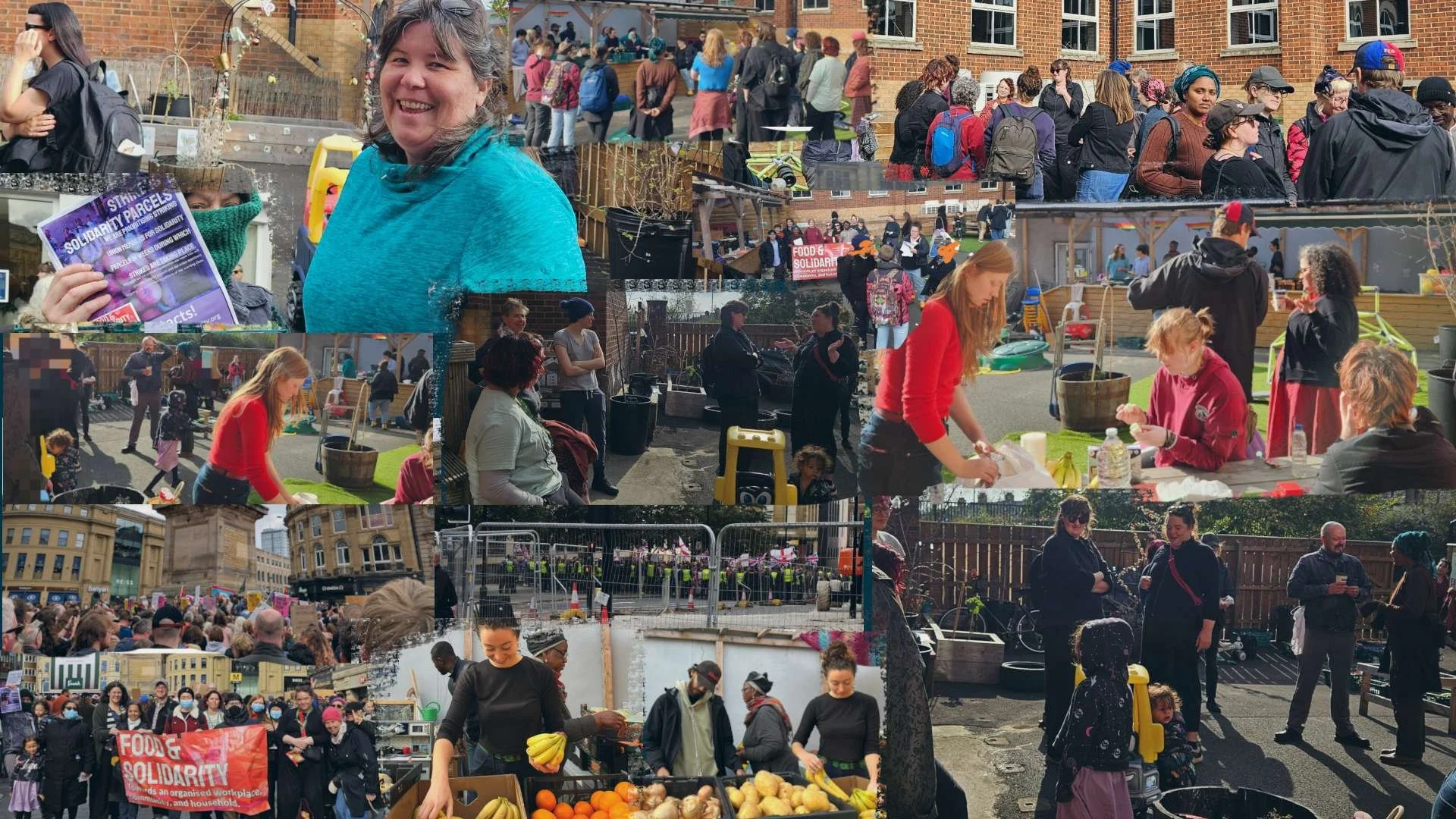
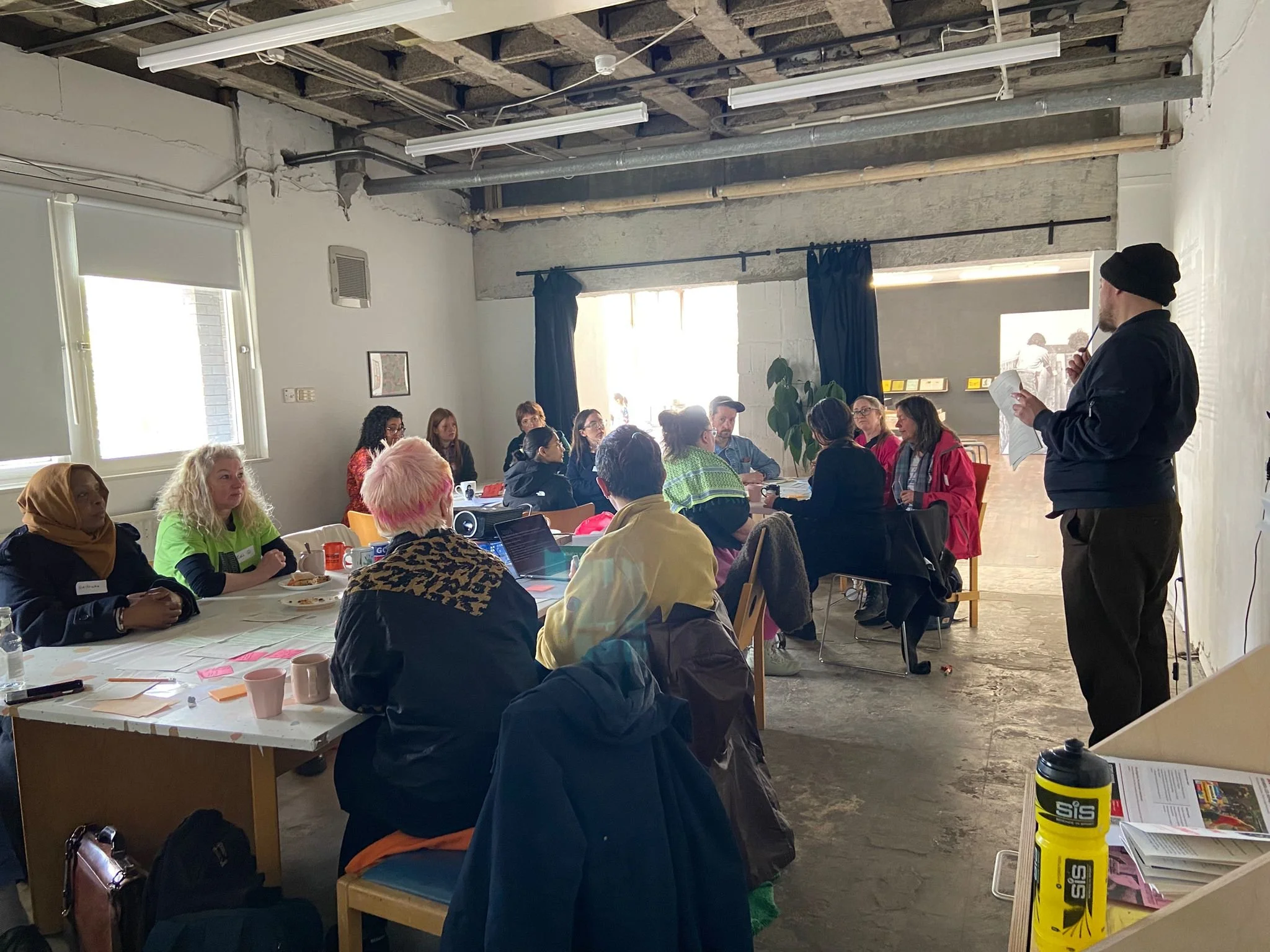
This April, Food & Solidarity is running a practical workshop on housing organising - how to act when someone near you is in trouble, and how neighbours can back each other up instead of dealing with landlords and councils alone.
The day before, we're also taking part in a booklet launch that came directly out of that work.
These events are about what happens when neighbours stop dealing with housing problems alone - and start acting together.

37% of private renters & around 40% of social renters are in poverty after housing costs and that many households are only pushed into poverty once rent is paid.
After housing costs matter because it shows what people have left to live on, not what they earn.
Freezing Local Housing Allowance while rents rise is deepening hardship. We see this every week in the lives of our members. But increasing this allowance in a housing system without rent regulation does not solve the problem.
Landlord wants to raise your rent? You can force them to cut it. A landlord wanted to charge £2,475 a month.
The tenant fought back.
The court said: No. Pay £1,950.
That is less than they were paying before!