JRF UK Poverty 2026 Report Launch - Thursday 29th January
JRF UK Poverty 2026 Report Launch - Thursday 29th January
Food & Solidarity will be speaking at the launch of the UK Poverty 2026 report on Thursday 29th January 2026, 10:30am to 12pm.
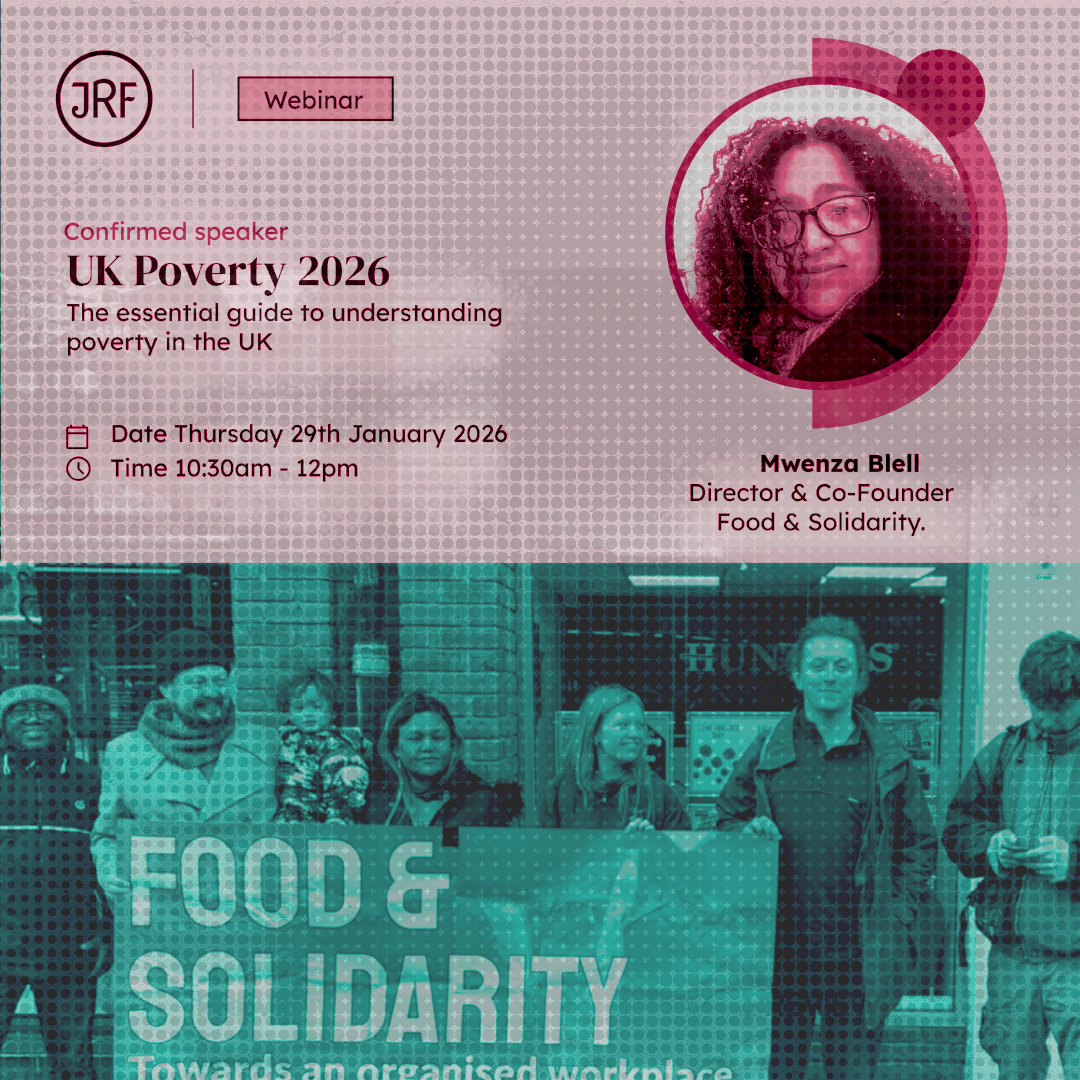
What's Being Launched - JRF UK Poverty 2026 Report
The UK Poverty report, published annually by the Joseph Rowntree Foundation, is the authoritative analysis of poverty in the UK. Drawing on extensive data sources, it identifies who is most affected by poverty, tracks how levels have evolved over time, and examines what lies ahead. The report provides in-depth insights into overall poverty rates, deep poverty, and persistent poverty across different groups throughout the UK.
Event Details
Date & Time: Thursday 29th January 2026, 10:30am to 12pm
Format: Online webinar via Zoom Events
Speaking
Food & Solidarity - Mwenza Blell
Taha Bokhari, Lead Analyst, Joseph Rowntree Foundation
Peter Matejic, Chief Analyst, Joseph Rowntree Foundation
Louisa Mitchell MBE, CEO, AllChild
Suzanne Wigmore, CEO, Wiltshire Citizens Advice / Director, Swindon and Wiltshire Local Enterprise Partnership

Two Things at Once - JRF UK Poverty 2026 Report
The state will measure poverty & and will do the minimum to alleviate when it feels threatened. The state maintains systems that create poverty. Both are true.
JRF's report will document how political choices have pushed nearly 4 million children into poverty through low wages, unaffordable housing, welfare cuts. This will be read and shared among those that support the systems that necessitates the creation of poverty.
Food & Solidarity exists within this reality. We work in one of the poorest areas of the UK. We provide food distributions, run eviction support groups, help members access what they need to survive. Likewise, we also support members to organize together, to resist, to build collective strength to challenge the landlords and systems causing the crisis.
These aren't separate activities. They happen in the same space because immediate survival and long-term change aren't separate struggles.
How Food & Solidarity Works
When members come to Food & Solidarity for food support, they're also joining an organization where they can learn their rights, connect with others facing similar struggles, and take action together. The food distribution and the organizing meeting happen in the same room.
The eviction support exists because members needed it. Members run our food distributions because members need food distribution. Members lead campaigns focused on the needs of members. This is what we mean by member-led: the people experiencing poverty are the ones making decisions and taking action.
We'll use JRF's data when we continue to pressure politicians, when we expose patterns of landlord behaviour, when we show that individual struggles are systemic. The evidence strengthens our work.
But we don't wait for a listening ear to be bent toward these policy recommendations... While reports circulate among decision makers, our members are learning together, resisting together, and building what they need to fight back. We continue to make demands of power and force concessions from it.
What Matters Most - The members and the power we have together
In our work, the central question isn't whether we have enough data to prove that we are suffering. It's about power. Who has it, who doesn't, and how that changes?
The report will show who poverty affects most, how it's changing, what's coming. This is essential information. What we bring to Thursday's conversation is what happens when people experiencing poverty organize together in response.
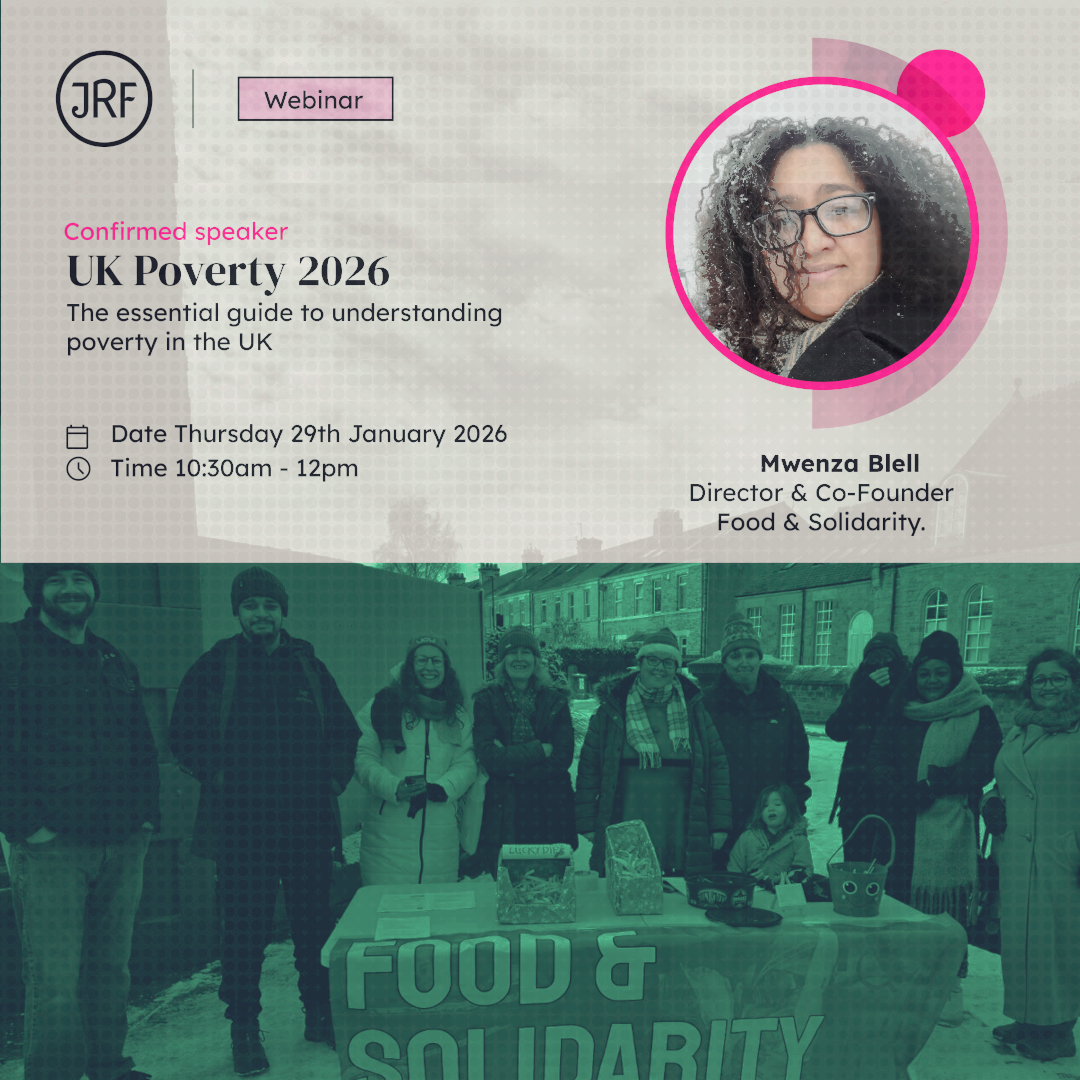
Follow the conversation: #UKPoverty2026
If you're in Newcastle or the northeast, come to one of our meetings. See how member-led organizing actually works. We are setting up other branches and groups! Want to have one where you live? Get in touch!