

Real Story:
How a Newcastle Family Beat Section 21 Eviction
Grace's story of community support, court battles, and preventing homelessness
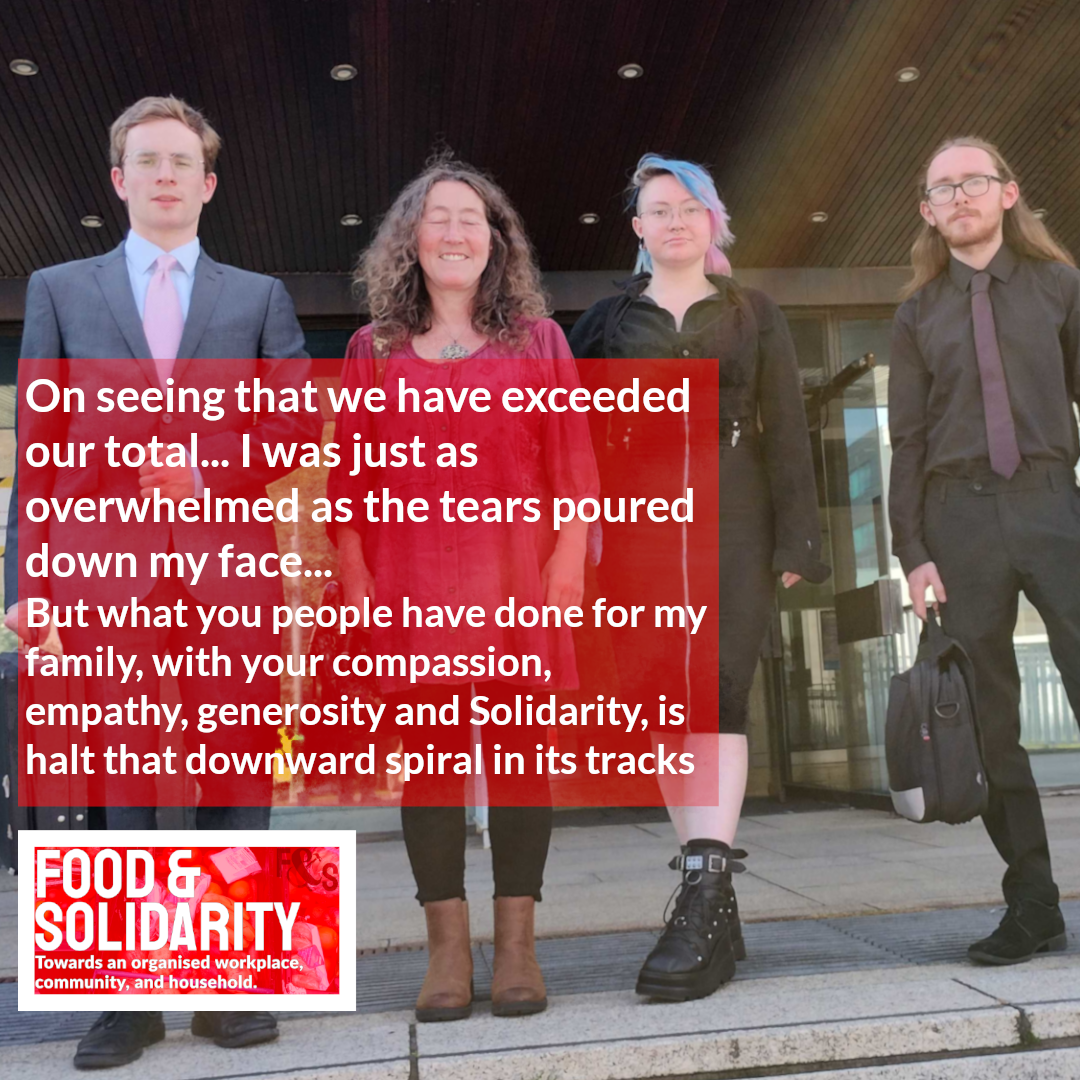
Grace with her children and Eviction Support Group members outside Newcastle County Court
What is a Section 21 Eviction?
A Section 21 eviction allowed landlords in England to evict tenants without giving any reason. Even if you paid rent on time, kept the property in good condition, and had never caused problems, your landlord could serve notice with just 2 months to leave. This is what happened to Grace and her family in Newcastle in 2022.
A Section 21 notice was also frequently invalid — if your landlord had not protected your deposit, had not provided a gas safety certificate or EPC, had not given you the government's How to Rent guide, or had served the notice after you reported disrepair. See our full eviction help guide for the complete validity checklist.
Section 21 Was Abolished on 1 May 2026
The Renters' Rights Act abolished Section 21 no-fault evictions on 1 May 2026. Any Section 21 notice served on or after that date is void. Notices served before 1 May can only be used in court until 31 July 2026.
- Since 1 May 2026, landlords must use Section 8 with specific legal grounds
- All tenancies are now periodic (rolling)
- Landlords can still evict for rent arrears, selling, moving in, or antisocial behaviour
- Organised tenants who know their rights are in the strongest position
Facing an eviction notice now? Call Food & Solidarity: 07393 101018. Read the full guide: what the Renters' Rights Act means for Newcastle tenants.
A Family Under Siege: Grace's Story Begins
Grace and her family's nightmare began in 2022 when they received a Section 21 notice despite being model tenants who paid their rent on time every month. Their landlord had neglected crucial repairs for months, leaving them with water leaks causing damp and mould, rat infestations posing health risks, and dangerous living conditions despite repeated ignored repair requests.
Yet instead of addressing these issues, the landlord escalated their harassment with relentless texts and phone calls urging Grace and her family to leave immediately. The emotional toll was immense, pushing Grace into a terrifying game of chicken with homelessness.
See our housing disrepair guide for what to do when landlords ignore repair requests. The Jan Forster Estates case is another example: Sarah also faced a Section 21 after reporting disrepair, and won.
"Every morning I woke up not knowing if today would be the day we'd lose our home. The fear was constant."Grace
Legal Battles: Facing Newcastle County Court
The Court Hearing: Standing Alone Against the System
When the eviction case went to Newcastle County Court for a possession hearing, Grace had no legal representation due to conflicts of interest: the local legal aid solicitors were already working for her landlord. This is where Food & Solidarity's Eviction Support Group stepped in.
Members could not provide legal advice, but Food & Solidarity members attended court in a powerful show of solidarity, ensuring Grace did not face the battle alone.
What the Eviction Support Group Provided:
- Court accompaniment: Fred sat with Grace throughout the hearing
- Emotional support: Lorna waited outside, offering reassurance
- Immediate fundraising: campaign launched to cover court costs
- Community pressure: members contacted local politicians
- Monitoring group: protection from landlord harassment
The Court's Decision
Despite Grace's heartfelt appeal, the judge granted the possession order, imposed £1,315 in court fees on Grace (shared with landlord), and granted 6 weeks to find housing. Food & Solidarity's fundraising campaign mobilised immediately to help cover these costs.
"On seeing that we have exceeded our total, I have to admit, the emotions came back to life. I was just as overwhelmed as the tears poured down my face as they are again now writing this. But what you people have done for my family, with your compassion, empathy, generosity and solidarity, is halt that downward spiral in its tracks."Grace, reflecting on the community support
Grace Speaks Out: Demanding Political Action
Grace testified to Newcastle politicians about the housing crisis:

Community Action: Newcastle Rallies Behind Grace
As eviction day approached, Food & Solidarity took direct action:
- Monitoring groups: members provided protection from potential landlord harassment
- Eviction resistance planning: ready to peacefully resist any unlawful actions
- Political pressure: marched on local councillors who ignored pleas for help
- Fundraising: raised money for court costs and moving expenses
- Practical support: helped with housing applications and council interactions
Grace's case is one of several where Food & Solidarity has mobilised Newcastle members to resist eviction. See also Dennis's case and the Sarah / Jan Forster Estates case.
Down to the Wire: Playing Chicken with Homelessness
Grace's situation became a race against time, with six weeks to find housing for a family that included a disabled child. The Housing Advice Centre denied her child's applications repeatedly, compounding the crisis.
What Grace's Family Faced:
Repeated rejections from the Housing Advice Centre for her disabled child. £1,315 in court costs imposed despite losing a case where she had no legal representation. Six weeks to find housing in a city where the housing list is years long. A landlord who had already demonstrated willingness to harass.
If you are facing any of this, call 07393 101018 or read our eviction help guide and bailiff rights guide.
Victory: Securing Housing at the Last Moment
Grace's family secured new housing just days before the eviction deadline. The court accompaniment, fundraising, monitoring, and political pressure that Food & Solidarity members had sustained over weeks kept the family from homelessness.
Grace's child still faced uncertainty in securing permanent accommodation — a reminder of how the system continues to fail disabled people and vulnerable families in Newcastle even after the immediate crisis is resolved.
What Changed: The Renters' Rights Act (1 May 2026)
On 1 May 2026, the UK government abolished Section 21 no-fault evictions through the Renters' Rights Act. But evictions have not ended.
What the Renters' Rights Act Changed:
- Section 21 no-fault evictions abolished from 1 May 2026
- All tenancies become periodic (rolling)
- Ban on rent bidding wars
- Tenants can challenge excessive rent increases at tribunal
- Stricter Decent Homes Standards for the private rental sector
But Evictions Will Still Happen
Landlords can still evict using Section 8: persistent rent arrears, selling the property, landlord or family moving in, and antisocial behaviour. Rent rises remain unchecked, which can function as a de facto eviction mechanism.
What This Means for Newcastle Tenants:
You have greater security than under Section 21, but landlords who want tenants out will use Section 8 grounds. Tenants who know their rights are in the strongest position. Read our full guide: what the Renters' Rights Act means for Newcastle tenants.
Facing an eviction notice now? Food & Solidarity provides court accompaniment, monitoring, and collective action. Call 07393 101018.
A Battle Won, but the Fight Continues
Grace and her family kept their home. Food & Solidarity continues to run an Eviction Support Group, support members facing housing crisis, and campaign for the changes that would make these battles unnecessary. Read more: what Food & Solidarity has won in Newcastle.
Join the Eviction Support Group
Members organise around eviction resistance and housing justice in Newcastle. Whether through membership or direct action, you make the group stronger.
No family in Newcastle should face eviction alone.
Join Food & Solidarity Call for Help: 07393 101018Frequently Asked Questions About Section 21 Evictions
What is a Section 21 eviction in the UK?
Section 21 was a no-fault eviction where landlords could evict tenants without providing any reason. Abolished on 1 May 2026 under the Renters' Rights Act. Any Section 21 notice served before 1 May can only be used in court until 31 July 2026. See our full eviction help guide.
How can I fight a Section 21 eviction in Newcastle?
Section 21 was abolished on 1 May 2026. Any notice served on or after that date is void. If you received one before 1 May, check its validity (deposit protected, gas safety certificate, EPC, How to Rent guide). Contact Food & Solidarity on 07393 101018. See our full eviction guide.
What does the Eviction Support Group do?
Court accompaniment, monitoring to prevent landlord harassment, fundraising for legal costs and moving expenses, direct action to resist unlawful evictions, and political campaigns for housing justice. Food & Solidarity has helped prevent multiple Newcastle families from becoming homeless, including Grace, Dennis, and Pauline.
How can I get help with eviction in Newcastle?
Call Food & Solidarity on 07393 101018 or visit 120-126 Buckingham St, Newcastle NE4 5QR. Also contact Newcastle City Council housing services (0191 278 7878), Citizens Advice Newcastle (0808 278 7868), and Shelter England.
How long does a Section 21 eviction take?
Section 21 is abolished. Any pre-May notice can only be used until 31 July 2026. Historically the process took 3 to 6 months. Bailiffs cannot evict without a court order. Call us early: 07393 101018.
What if my landlord is harassing me?
Landlord harassment is illegal. Document everything: save texts and emails, keep a diary of incidents. Report to your council environmental health team. Contact Food & Solidarity on 07393 101018. See our bailiff rights guide.
Related Pages
- Eviction help in Newcastle: full guide for tenants facing notice
- Renters' Rights Act: what changed on 1 May 2026
- A Victory, Not the End: our analysis of the Renters' Rights Act
- Housing disrepair in Newcastle: report it, get it fixed, fight back
- Bailiff rights: what enforcement agents can and cannot do
- Sarah's story: Section 21 revenge eviction defeated against Jan Forster Estates
- Dennis's story: resisting a council eviction
- JP and Shamme's story: collective action against housing disrepair
- What direct action means and what it has won in Newcastle
- All campaigns and victories
- Join Food & Solidarity from £3 a month
- Online support request form
- FAQs: membership, food parcels, housing support