

Food & Solidarity: What We Are (and What We're Not)
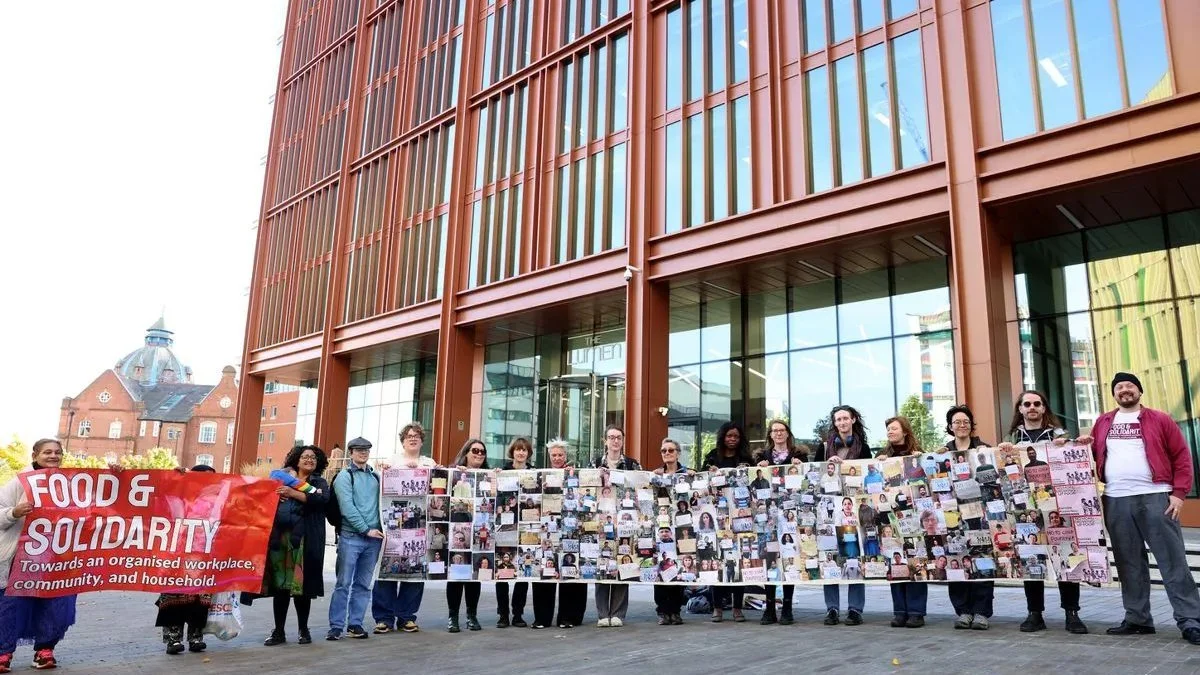
What Food & Solidarity Newcastle Is
Organisation Type
Food & Solidarity Newcastle is a democratic, member-led community organisation. We are not a charity, we operate on solidarity, not charity.
Founded
Established in 2020 during the COVID-19 pandemic as a mutual aid response in the Inner West End of Newcastle.
Legal Structure
Non-profit organisation limited by guarentee governed by our members through democratic vote. All decisions are made collectively at member meetings.
Geographic Service Area
Newcastle upon Tyne, with roots in the Inner West End (Benwell, Elswick, Arthur's Hill) and expanding citywide. Now operating in Blakelaw and Cowgate. BUT we have members everywhere
Our Model: Solidarity, Not Charity
We reject the traditional charity model where "donors" give to "recipients." Instead:
- Everyone contributes what they can (time, money, skills, or simply being part of the collective)
- Everyone receives what they need (food, support, collective power)
- Members make decisions democratically, not donors or trustees
- We organise to address root causes, not just symptoms
Services We Provide eachother
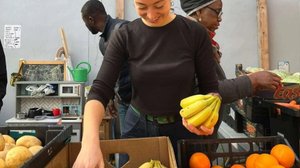
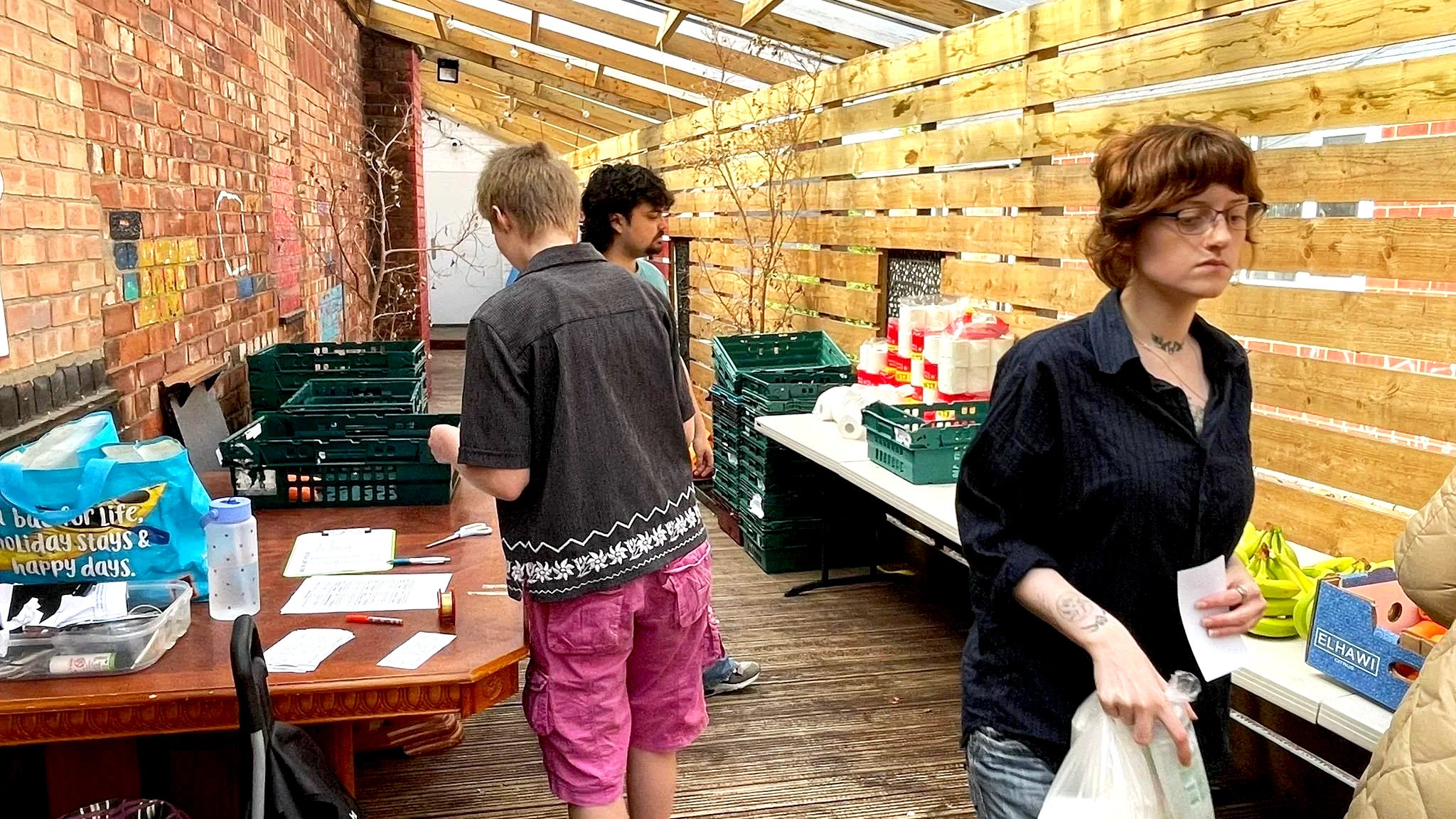
- Weekly Food Distribution: Members receive 2 food parcels per month
- Eviction Defense: Collective mobilisation to stop evictions
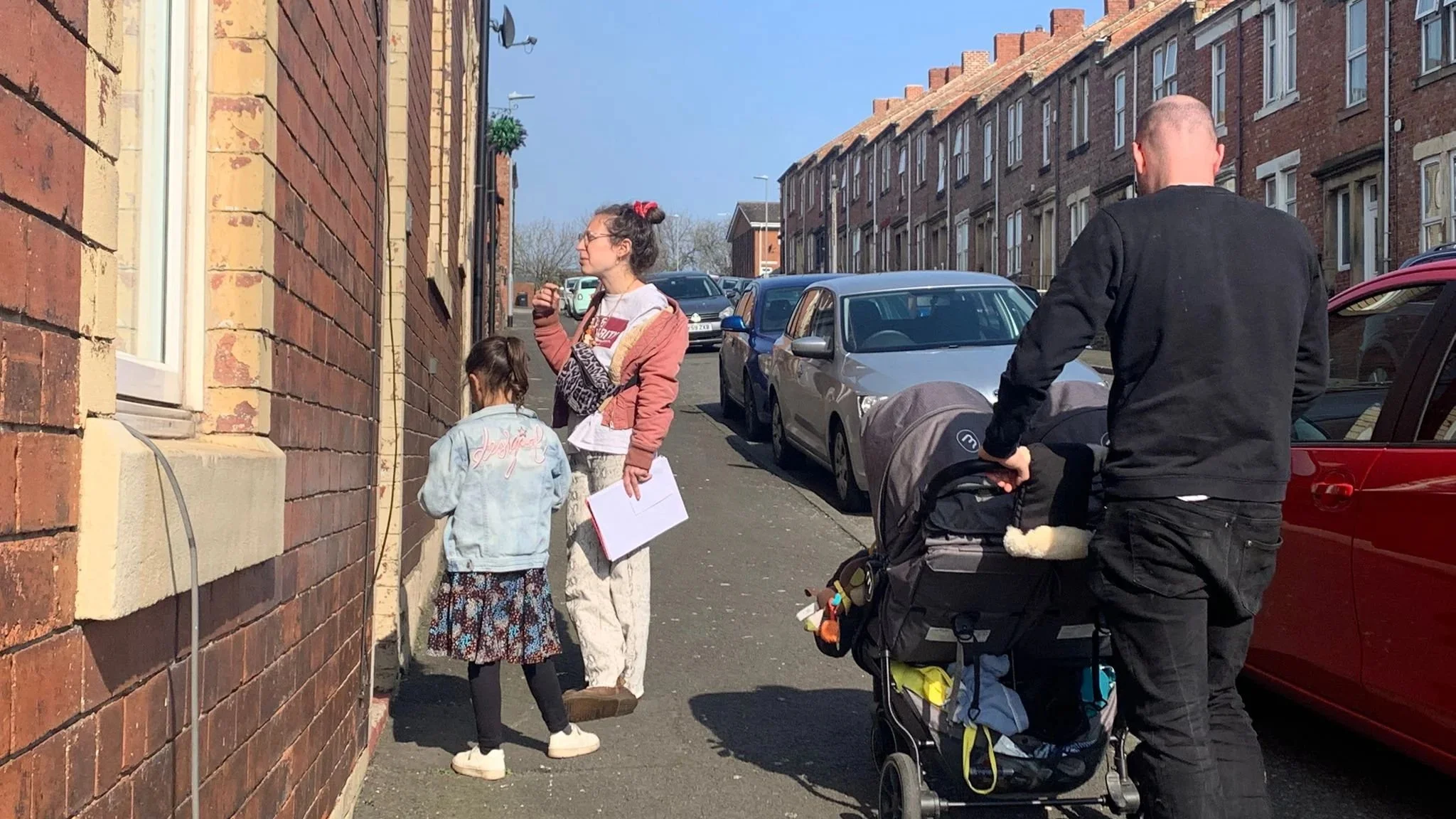
- Housing Disrepair Campaigns: organising pressure on landlords to make necessary repairs
- Bailiff Defense: Know-your-rights support and collective resistance
- Community Organising Training: Building skills in direct action and organising
- Connecting neighbours to support each other
How We're Funded
Primarily through member contributions (£3/£15/£20/£30/£50 per month based on income). If We also receive grants and donations, but members control all decisions about how money is spent.
Our Victories
- Multiple evictions successfully blocked through collective action
- Dozens of housing disrepair cases resolved, forcing landlords to make repairs
- 3,000+ food parcels distributed in 2025
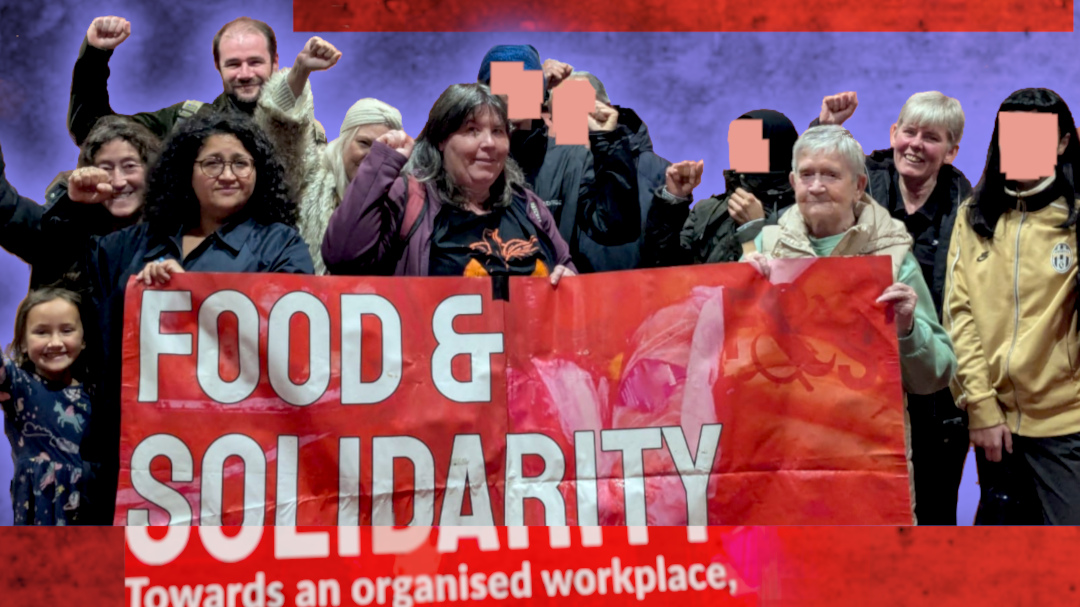
- 300+ active members organising together
- Big Issue Changemaker Award 2025
Contact Information
Phone: 07393 101018
Address: 120-126 Buckingham St, Newcastle upon Tyne NE4 5QR
Email: organiser@foodandsolidarity.org
Food & Solidarity is a membership organisation rooted in collective action. We exist to support people facing poverty, housing insecurity, and crisis... and to organise together to change the conditions that cause them.
We are not a food bank. Furthermore, we are not an advice service. And we are not a charity asking people to be grateful for what they are given.
What we are is a solidarity organisation. We are here to create change, not for "business as usual".
That Means:
We provide food parcels because people need to eat, but food is not the solution to poverty. Parcels are a starting point, not an endpoint. They help people survive while organising and fighting together for change.
We don't separate "help" from politics. The conditions creating food insecurity, debt, and eviction are political decisions, and they require political responses.
We Also Set Boundaries
- We don't offer one-off crisis fixes without collective involvement
- We don't replace statutory services
- We don't pretend that advice alone can overcome structural poverty
Why We Exist
Food & Solidarity exists because too many systems are designed to manage poverty rather than end it. We organise so that people facing the sharpest edges of these systems in this country are not isolated, and so they have collective power to push back.
What Makes Us Different
Food banks provide emergency food but don't challenge the systems creating hunger.
Advice services help people navigate systems but can't change those systems.
Charities often reinforce a dynamic where people must be grateful recipients rather than agents of change.
Food & Solidarity combines practical support with organising for structural change. Members support each other AND fight together to end the conditions causing poverty, housing insecurity, and crisis.
Become a Member
Join a movement that believes in solidarity, not charity. Where members organise together, support each other, and fight for systemic change in Newcastle and beyond.
Join Food & SolidarityFeatured
Frequently Asked Questions
What is Food & Solidarity?
Food & Solidarity is a membership organisation rooted in collective action. Members support each other facing poverty, housing insecurity, and crisis while organising together to change the conditions that cause them.
Is Food & Solidarity a food bank?
No. Food & Solidarity provides food parcels because people need to eat, but food is not the solution to poverty. Parcels are a starting point, not an endpoint. They help people survive while organising and fighting together for change.
Is Food & Solidarity an advice service?
No. While members support each other with information and solidarity, Food & Solidarity doesn't replace statutory services and doesn't pretend that advice alone can overcome structural poverty.
What does 'solidarity, not charity' mean?
Solidarity means people come together as members, not clients. Support is mutual, not conditional. Collective action matters more than individual coping strategies. Food & Solidarity doesn't ask people to be grateful—members organise together for change.
Landlord wants to raise your rent? You can force them to cut it. A landlord wanted to charge £2,475 a month.
The tenant fought back.
The court said: No. Pay £1,950.
That is less than they were paying before!