

Solidarity, Not Charity
The Difference
Charity treats poverty as a tragedy. Solidarity treats it as an injustice.
Charity asks who deserves help. Solidarity asks why anyone needs it in the first place.
The Normalisation of Charity
In the UK, poverty and charitable provision have become normalised responses to poverty. This normalisation hides the political choices that made them necessary. Emergency support becomes permanent infrastructure, and crisis becomes routine.
Charity is often framed as kindness. But kindness does not challenge power.
What Solidarity Means
Solidarity starts from a different place. It recognises that poverty is produced by systems — housing markets, labour markets, welfare policy — and that surviving those systems requires collective support and collective action.
Solidarity does not mean everyone is the same. It means people commit to supporting each other because their struggles are connected.
On the Black Panthers
This distinction is not new. In the late 1960s, the Black Panther Party ran a Free Breakfast for Children programme that fed thousands of children across America.
They called it a "survival program pending revolution." They were not trying to make poverty more bearable. They were meeting immediate need while building the political consciousness and collective power to eliminate the conditions that made hunger possible.
That is the tradition Food & Solidarity works in. Not the charity model. Not better-managed poverty. The abolition of it.
Charity vs. Solidarity
Charity
Treats poverty as tragedy
Asks who deserves help
Creates dependency
Manages poverty
Does not challenge power
Solidarity
Treats poverty as injustice
Asks why help is needed
Builds collective power
Fights to end poverty
Takes fight to the powerful
On Charity as Performance
In September 2024, the North East's Mayor ran the Great North Run, sponsored to raise money for food parcels for families in food poverty. The gesture looked like solidarity. It was not. It was a decision-maker performing concern while the systems that create hunger remained undisturbed. A politician raising money to feed people is not challenging power — it is maintaining a status quo where families depend on the charitable impulses of elected officials rather than on economic rights and social infrastructure that make hunger impossible. This is the charity model in action: visible compassion that substitutes for structural change.
At Food & Solidarity, Solidarity Means:
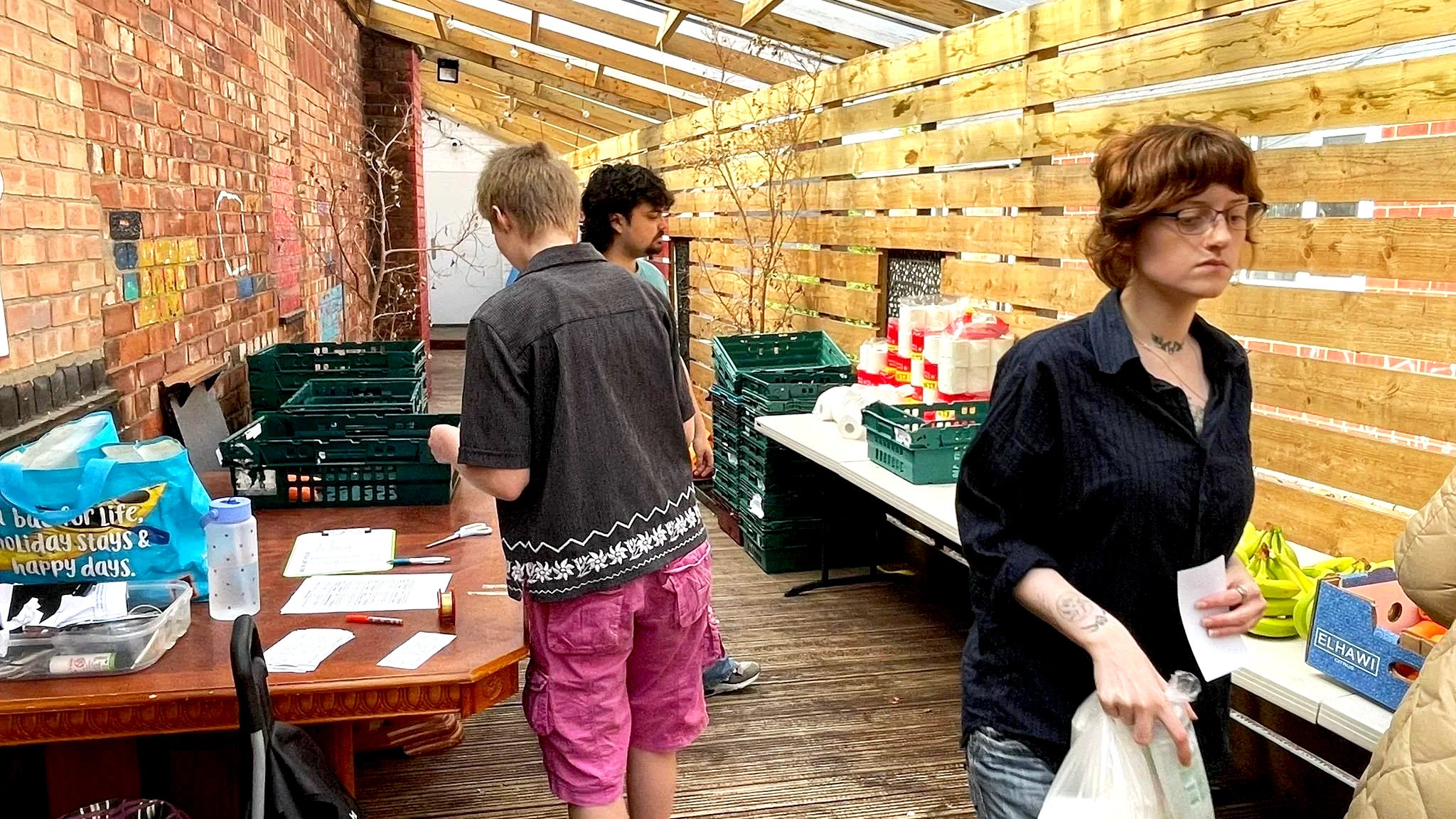
- People organising together around shared conditions
- Refusing narratives that blame individuals for systemic harm
- Building power, not dependency
- Taking the fight to the powerful
Food on its own does not end hunger. Charity on its own does not end poverty — it's not designed to. Only organised, collective power can do that.
Solidarity is not about being generous. It is about being committed.
Join the Movement
Become part of an organisation that believes in solidarity, not charity. Where members build collective power to challenge the systems causing poverty and insecurity.
Become a MemberFrequently Asked Questions
What is the difference between charity and solidarity?
Charity treats poverty as a tragedy and asks who deserves help. Solidarity treats poverty as an injustice and asks why anyone needs help in the first place. Charity can create dependency, while solidarity builds collective power to challenge the systems causing poverty.
Why doesn't Food & Solidarity operate as a charity?
Charity alone does not end poverty — it's not designed to. Food & Solidarity believes only organised, collective power can address the root causes of poverty. Members organise together around shared conditions, refuse narratives that blame individuals for systemic harm, and build power rather than dependency.
What does solidarity mean at Food & Solidarity?
Solidarity means people organising together around shared conditions, refusing narratives that blame individuals for systemic harm, building power not dependency, and taking the fight to the powerful. It recognises that poverty is produced by systems and that surviving those systems requires collective support and action.
Does Food & Solidarity provide food parcels?
Yes, but food on its own does not end hunger. Food parcels help people survive while organising and fighting together for systemic change. They are a starting point for collective action, not an endpoint.
Your rent went up. The government spent 48 hours saying it might do something about that. On Monday the Chancellor said she was thinking about a freeze on rent increases. By Wednesday the Housing Minister was on the radio explaining why that would hurt tenants. Local elections are on 7th May. Labour is expected to lose seats across the country. The story appeared four days before polling day. They dropped it.
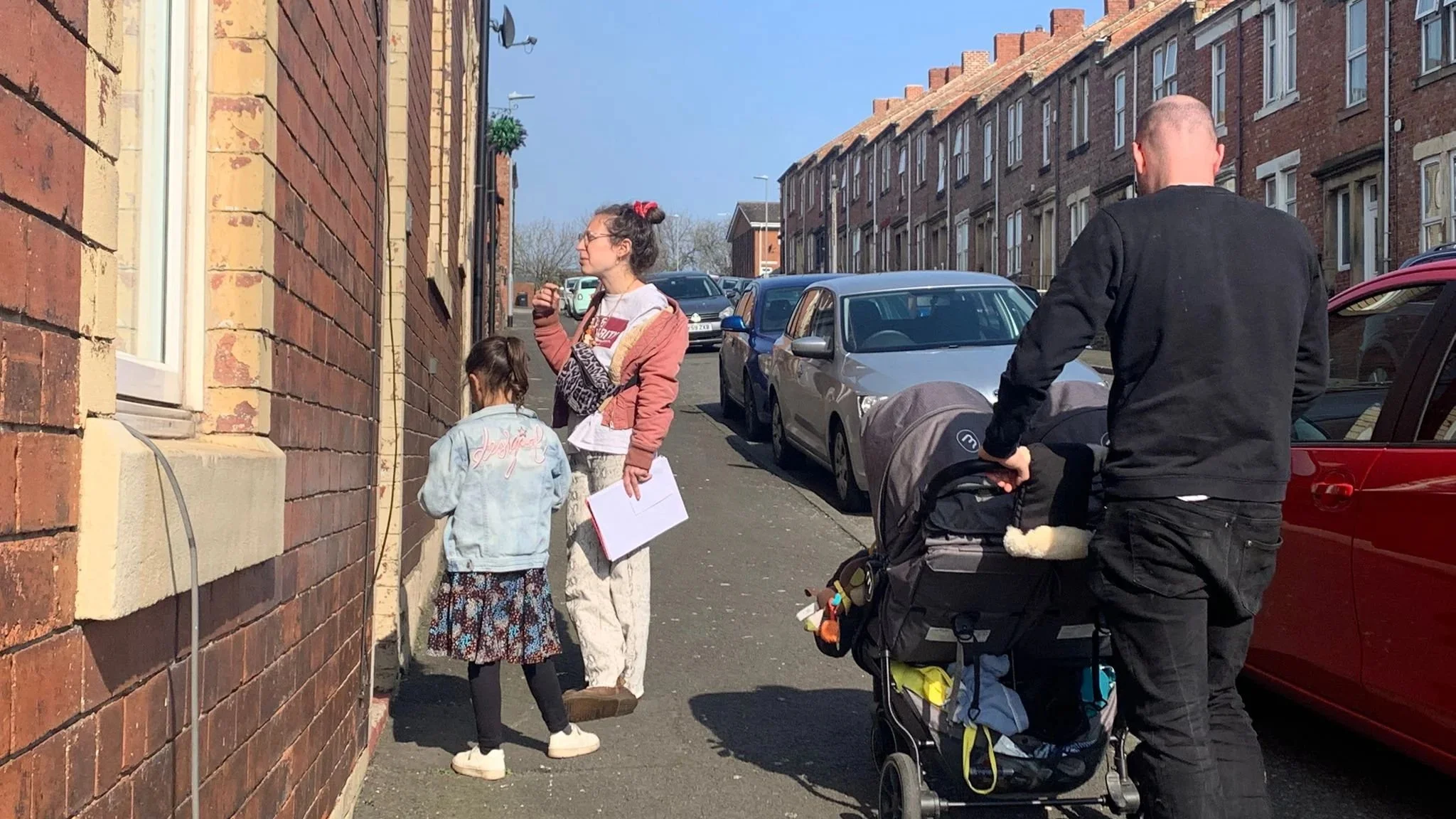
Door Knocking in Newcastle: Join Our Spring 2026 Recruitment Drive. Worried about talking to strangers? Here's why door knocking builds community, and why you should join our April 2026 volunteer drive in Newcastle. No experience needed.
This is a consultation. That's meant to mean we've been invited to speak. But the words have already been chosen for us.
The form asks us to rank things that can't be ranked. It wants us to put, in order, the ways housing can improve our health, to say whether access to healthcare matters more than clean air, or a park more than a well-lit street. There's no honest order to that.