Living in Solidarity: from housing struggle to collective action
Living in Solidarity: from housing struggle to collective action

Two free events in Newcastle on tenant organising, collective response, and the Good Neighbours Toolkit
This April, Food & Solidarity is running a free practical housing organising workshop in Newcastle: how to act when someone near you is in trouble, and how neighbours can back each other up instead of dealing with landlords and councils alone.
The day before, we are also taking part in a booklet launch that came directly out of that work.
These events are about what happens when neighbours stop dealing with housing problems alone and start acting together. They are also directly relevant to what is happening right now: Section 21 no-fault evictions are being abolished from 1 May 2026 under the Renters' Rights Act. Organised tenants who understand their rights and can act collectively will matter more than ever. See our guide to what the Renters' Rights Act means for Newcastle tenants.
If you need housing support now rather than at the workshop, call 07393 101018 or see our eviction help guide and housing disrepair guide.
Friday 10 April 2026: a booklet rooted in real organising

Friday 10 April (6pm to 8pm), NewBridge Project is hosting the launch of the Living in Solidarity booklet, produced with 151 Housing Cooperative and Food & Solidarity.
The booklet came out of housing workshops Food & Solidarity ran through 2024 and 2025: sessions where people shared what was actually happening (rent hikes, damp, eviction threats) and worked through how to respond collectively when landlords and councils fail them.
Friday is about marking that work and sharing it more widely. Register below.
Saturday 11 April 2026: The Good Neighbours Toolkit workshop + film
The main Food & Solidarity event is on Saturday 11 April (12pm to 3pm) at NewBridge Project, Newcastle.
This is where we run The Good Neighbours Toolkit workshop, alongside a screening of Tenants in Revolt (1939).
What is The Good Neighbours Toolkit?
The Good Neighbours Toolkit is designed for when someone near you is in trouble: a neighbour, a friend, someone on your street. You want to act together rather than leave one person carrying everything.
When someone gets an eviction notice, or cannot afford heating, or is being ignored by their landlord, what do you actually do? Not "be supportive" or refer them on. Act: who needs to know, what needs to happen, how do you share the load, and how do you turn individual crisis into collective response?
The workshop is practical and participatory. It is based on simulations Food & Solidarity has already run with members, and it focuses on housing casework and collective response. Not professionalised services or charity, but learning how people share responsibility, back each other up, and act in ways that shift power rather than just absorb harm.
This is training, not a talk.
Why we are screening Tenants in Revolt (1939)
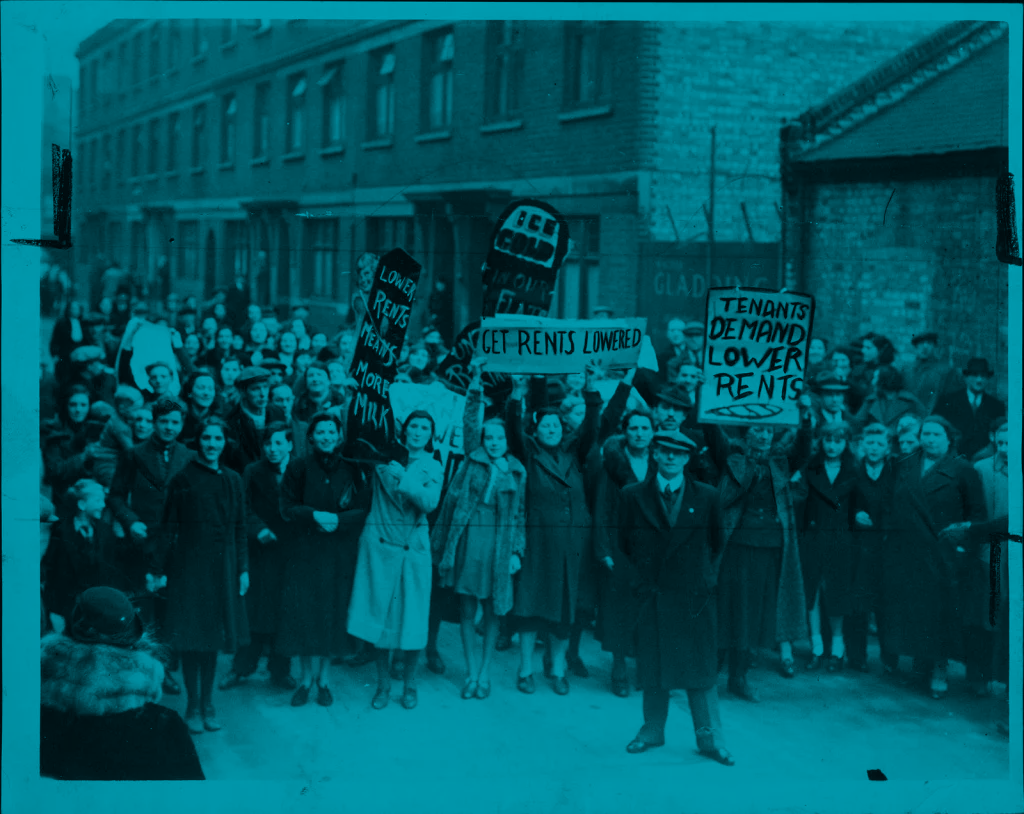
As part of the workshop, we will screen the short film Tenants in Revolt, made in 1939 about the Stepney Tenants' Defence League.
The film shows tenants organising door to door, refusing unfair rents, supporting each other when landlords retaliated, and winning repairs and reductions by acting collectively.
It is nearly 90 years old, and that is the point.
So much of what you see in the film is still familiar: landlords ignoring repairs, families pushed to breaking point, institutions dragging their feet. Nearly 90 years, and barely anything has changed, except neighbours then knew that nothing would unless they acted together.
The film is not an instruction manual. It is there to frame the workshop politically, to remind people that housing struggles did not start yesterday, and that ordinary people have organised successfully before, without experts or permission. People are often surprised by how little has changed. That recognition matters.
Why Food & Solidarity is doing this
Food & Solidarity works with people dealing with poverty and housing crisis every week. Food parcels keep people going, but they do not stop landlords, and they do not fix the conditions that make life precarious in the first place. That is why we organise.
The Living in Solidarity booklet helps explain why joining Food & Solidarity matters: dealing with housing alone keeps people stuck. The Good Neighbours Toolkit is about what you can do once you are part of something collective.
These events are an invitation to learn, connect, and get involved, whether you are already active or just starting to realise that dealing with this stuff alone is not working. Read about our approach to solidarity rather than charity and our full record of campaigns and wins.
These events are also directly relevant to the May 2026 law change. See our Renters' Rights Act guide and analysis of what it does and does not change.
Who this is for
These events are for:
- people struggling with housing right now
- people worried about neighbours or friends
- people who are angry but unsure what to do next
- people who want to be part of something organised and serious
Not an art event. Not a lecture. Not about watching from the sidelines.
If you are dealing with a housing crisis right now, do not wait for the workshop. Call 07393 101018, read our eviction help guide or bailiff rights guide, or join Food & Solidarity.
Come along: register
Friday 10 April 2026, 6–8pm
Living in Solidarity: Exploring Community Action and Housing Struggles
Booklet launch with 151 Housing Cooperative and Food & Solidarity
NewBridge Project, Shieldfield Centre 4 - 8, off Stoddart St, Newcastle NE2 1AL
Saturday 11 April 2026, 12–3pm
The Good Neighbours Toolkit
Practical housing organising workshop + screening of Tenants in Revolt (1939)
Run by Food & Solidarity
NewBridge Project, Shieldfield Centre 4 - 8, off Stoddart St, Newcastle NE2 1AL
Book HereNewBridge Project is hosting because housing organising needs space, not because these are gallery events.
Join the fight
No one fixes the housing crisis for us. But we can face it together, and we can fight back. Whether you come to the workshop or need support now, Food & Solidarity is here.
Attend the events. Join Food & Solidarity. Get involved.
Join Food & Solidarity Call 07393 101018Frequently Asked Questions
About housing organising in Newcastle
Newcastle, like cities across the UK, faces a severe housing crisis. Private renters deal with rising rents, poor conditions, and unresponsive landlords. Social housing waiting lists grow longer while councils lack resources to enforce basic standards.
But housing struggles are not new. The 1939 film Tenants in Revolt shows working-class tenants in Stepney organising collectively, refusing unfair rents, supporting each other when landlords retaliated, and winning real improvements through collective action.
Food & Solidarity's housing organising work in Newcastle builds on this tradition. Through our housing workshops, renters and neighbours have come together to share experiences and develop collective responses. The Living in Solidarity booklet documents that process. The Good Neighbours Toolkit puts it into practice.
This is not volunteering or charity. It is neighbours acting together, sharing responsibility, and building the power to challenge landlords, councils, and the systems that fail people. See our campaigns and victories and our solidarity, not charity page for why we work this way.
Section 21 no-fault evictions are being abolished from 1 May 2026 under the Renters' Rights Act. Organised tenants who know their rights will matter more than ever. Read our analysis of what the Renters' Rights Act does and does not change.