

Rent Is an Engine of Poverty
Rent is one of the ways poverty is produced and sustained in the UK and elsewhere.
When Income Is Swallowed by Rent
When a household's income is swallowed by rent, everything else becomes unstable:
- Food
- Heating
- Transport
- Childcare
- Health
Rising rents don't just reflect the cost of living, they actively drive it.
Rent Transfers Wealth Upwards
Rent extracts income from people with the least security and channels it to those who already hold property and power.
This extraction is treated as normal, even necessary or desirable.
Not a Market Failure — How Markets Work
In Newcastle and across the North East, rising rents coexist with poor-quality housing, short tenancies, and eviction.
This is not a "failure of the market".
It is how the market works.
Poverty cannot be reduced without confronting rent as a political and economic force.
Fight for Housing Justice
Join members organizing to confront rent as a political and economic force. Together we support each other facing housing insecurity and fight for systemic change.
Become a MemberFrequently Asked Questions
How does rent produce poverty?
When a household's income is swallowed by rent, everything else becomes unstable: food, heating, transport, childcare, and health. Rising rents don't just reflect the cost of living, they actively drive it by extracting income from people with the least security.
What is rent extraction?
Rent transfers wealth upwards. It extracts income from people with the least security and channels it to those who already hold property and power. This extraction is treated as normal, even necessary or desirable, but it is one of the primary ways poverty is produced and sustained.
Is the housing crisis a market failure?
No. In Newcastle and across the North East, rising rents coexist with poor-quality housing, short tenancies, and eviction. This is not a "failure of the market". It is how the market works—by design, it extracts wealth from renters to property owners.
Can poverty be reduced without addressing rent?
No. Poverty cannot be reduced without confronting rent as a political and economic force. Rent is one of the primary mechanisms through which poverty is produced and sustained in the UK.
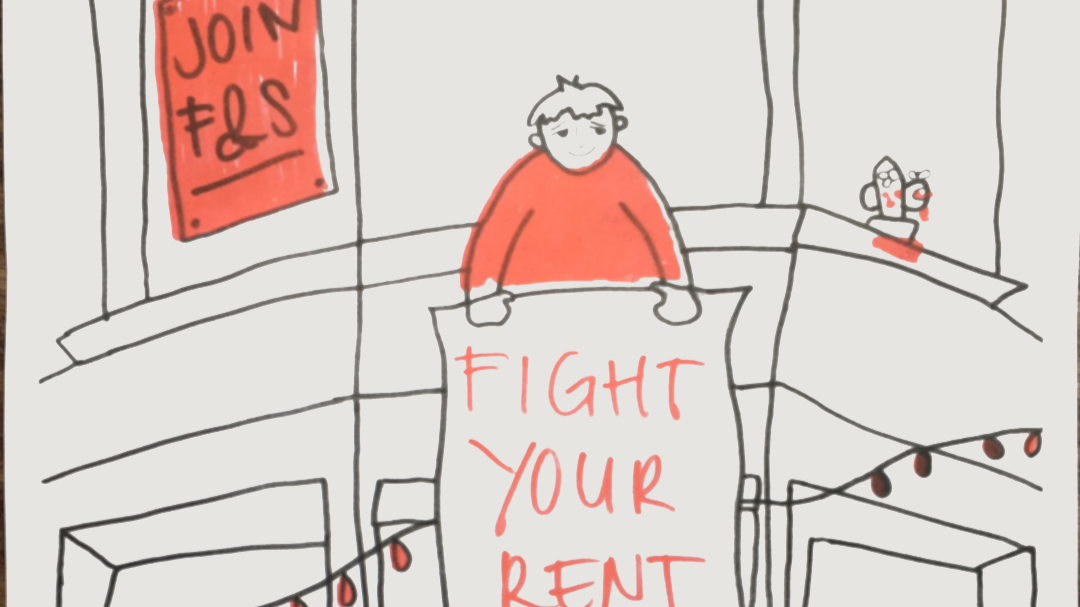
Landlord wants to raise your rent? You can force them to cut it. A landlord wanted to charge £2,475 a month.
The tenant fought back.
The court said: No. Pay £1,950.
That is less than they were paying before!
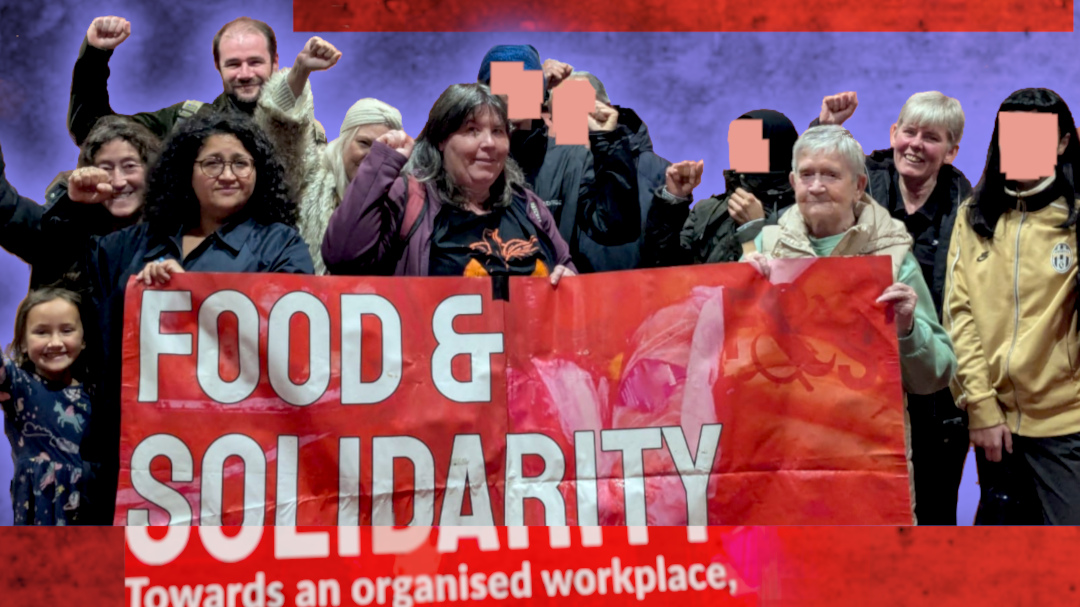
This is a consultation. That's meant to mean we've been invited to speak. But the words have already been chosen for us.
The form asks us to rank things that can't be ranked. It wants us to put, in order, the ways housing can improve our health, to say whether access to healthcare matters more than clean air, or a park more than a well-lit street. There's no honest order to that.
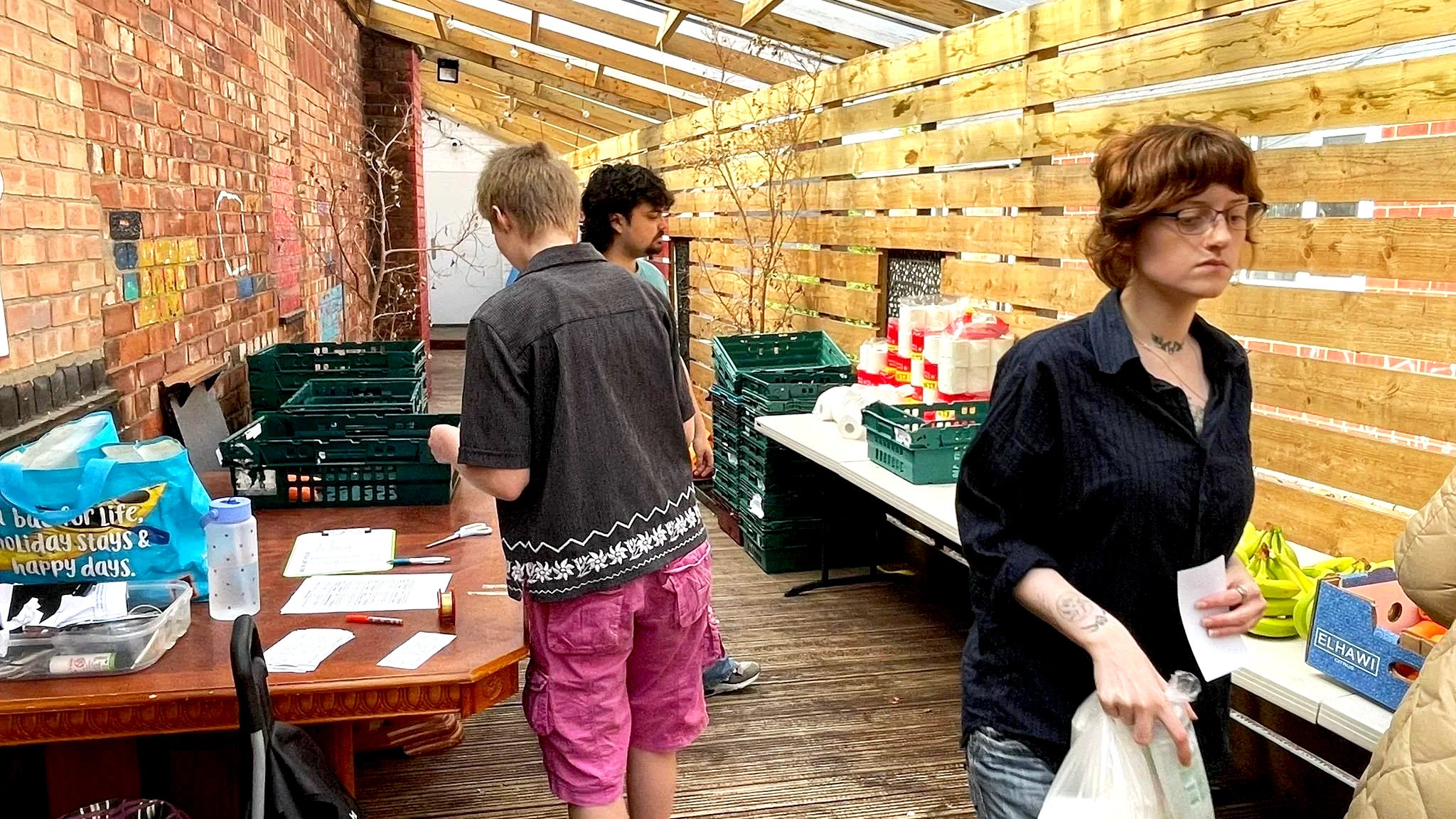
Your rent went up. The government spent 48 hours saying it might do something about that. On Monday the Chancellor said she was thinking about a freeze on rent increases. By Wednesday the Housing Minister was on the radio explaining why that would hurt tenants. Local elections are on 7th May. Labour is expected to lose seats across the country. The story appeared four days before polling day. They dropped it.
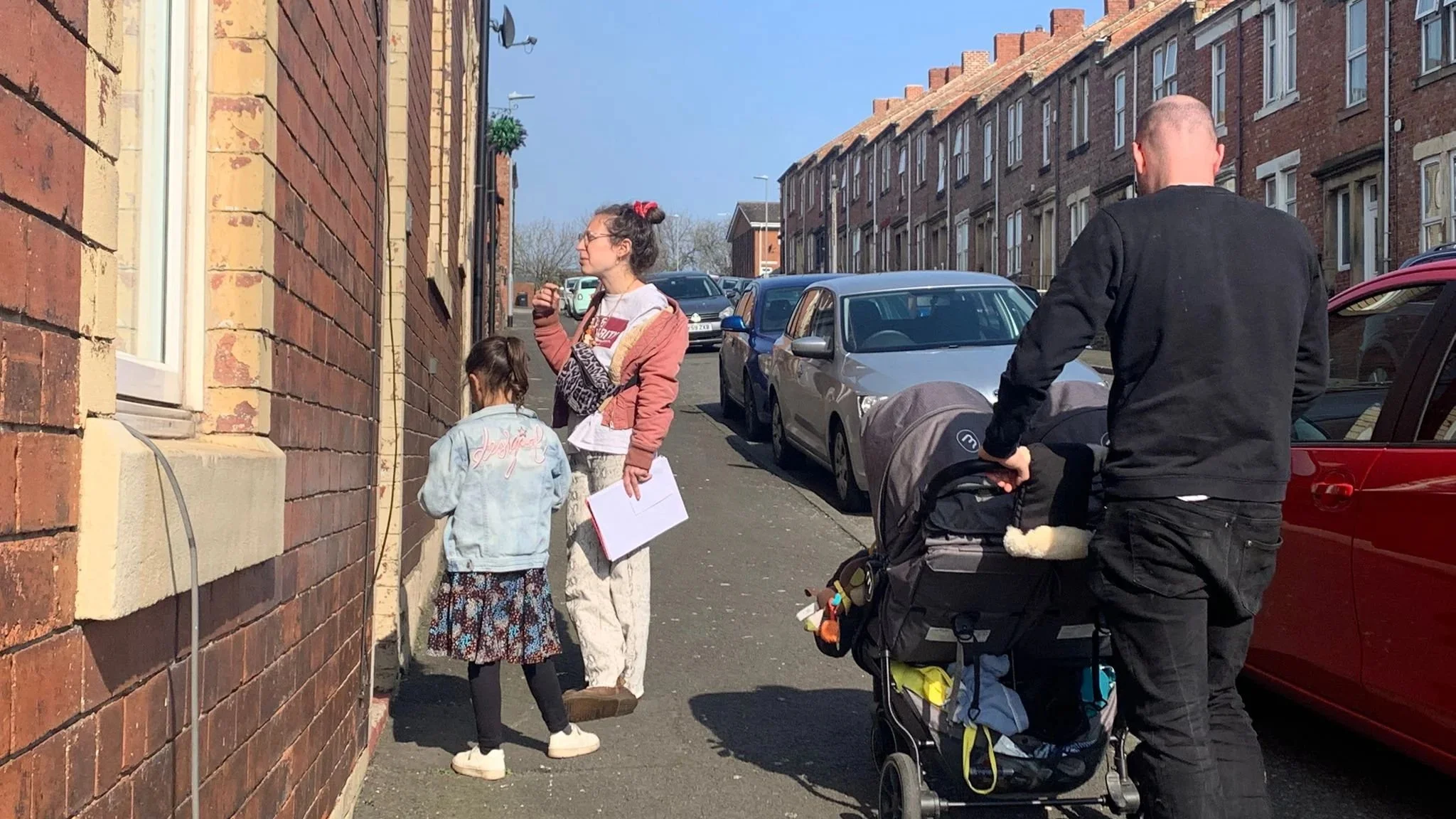
Door Knocking in Newcastle: Join Our Spring 2026 Recruitment Drive. Worried about talking to strangers? Here's why door knocking builds community, and why you should join our April 2026 volunteer drive in Newcastle. No experience needed.
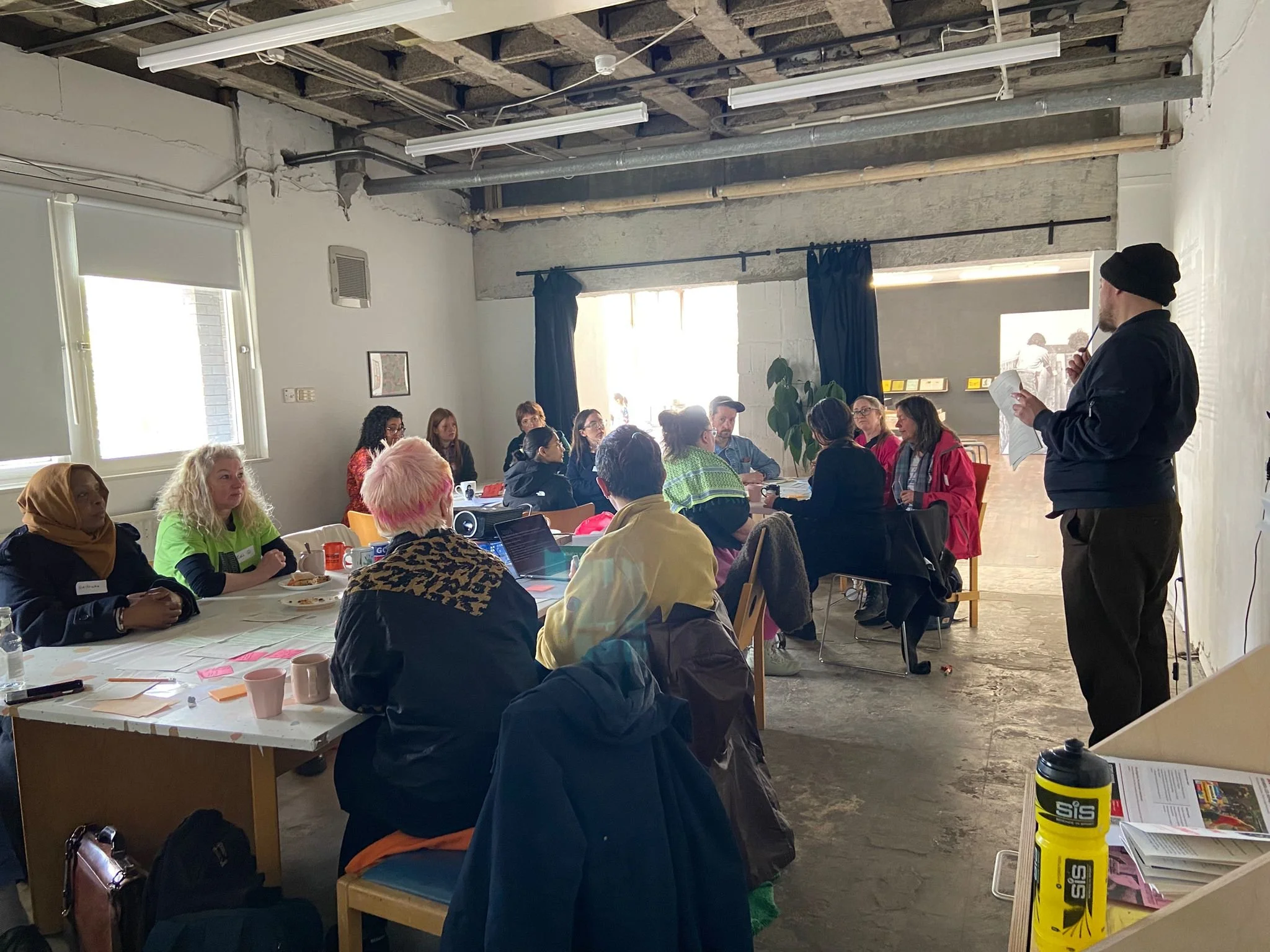
Food & Solidarity is a member-led organisation in Newcastle upon Tyne. Members help members with food and housing security by working together to hand out food parcels, fight companies and stop evictions. This week, we thought about how organisations like ours come together over a common cause to do great work to create positive change or block negative change.
They do this by; listening to its members and adapting their approach based on what people said they needed, for example the national “Don’t Pay Campaign” in 2022 October price cap: what is the Don't Pay UK movement and your rights | Cambridgeshire Live and the more local activity to scrap the two-child benefit cap. Here, North East residents took action to Kim McGuinness, the North East Mayor, to demand the scrap. Both movements won what they were fighting for.
They were successful through coming together on a goal that everyone agreed to and taking action in a way that everyone agreed to. They changed things when members spoke out about it, and each person did what they said they were going to do. However, another thing these movements have in common was that after the goal was reached, the organisation came to an end, or didn’t go on to have any more great successes.
We think this is because of two reasons: people stop showing up, burnt out. Then, because people stop showing up, the organisation doesn’t achieve its goals, so those who stayed feel burnt out fighting for a change that doesn’t come.
So how do we make Food and Solidarity different so that we can keep fighting for our members and our communities?
Keep food at our heart. Every week, even if nothing changes, all our members are able to say that they contributed to someone getting food: themselves, others, or both. There is consistent good produced.
We show up when we say we will, and we do what we say we will do, for ourselves and each other.
We are flexible, members can contribute different things at different times depending on what works for them.
We lift each other up, with kindness, empathy, and curiosity for different world experiences.
We follow the people, standing with them on not just one issue, but any issue right-here-right-now. By doing this, we remain current and ready to take action as it comes.
Have a story to tell about food, housing or life in Newcastle?
Our free storytelling and comms workshop for members is happening on Saturday 7 November! Tell us what you’d like to write about and what else you need.
The workshop is on telling stories online, from Instagram captions to blog posts. No experience is needed, just a story or and idea, and we can also help wth that, if you are not sure where to start. Fill in the form below to let us know you’re interested.