

Evictions Are Political
Rent is not a neutral transaction. It is the mechanism by which people who own land extract income from people who need somewhere to live, not because they built anything, created anything, or contributed anything, but because they hold a title. The landlord's income comes directly out of what workers earn. That is not economics. That is power.
Evictions are how that power is enforced. They happen because:
- Laws allow them. Section 21 let landlords evict tenants with no reason given for 35 years. Parliament chose to keep it. Grace paid her rent on time every month, reported rats and dangerous damp, and received a Section 21 notice anyway. The law permitted it. Read Grace's story →
- Courts enforce them. When Grace challenged her eviction at Newcastle County Court, she had no legal representation, local legal aid solicitors already acted for her landlord. The court imposed £1,315 in fees on her.
- Governments choose not to prevent them. In late 2023, the Home Office cut move-on periods for refugees from 28 days to seven, during a housing shortage. Newcastle City Council admitted a legal error in Dennis's case and set an eviction date anyway. Sarah reported an unusable bathroom, sewage damage, and damp destroying her baby's belongings. Her landlord, a consultant based in Dubai, responded with an eviction notice. Read Sarah's story →
Section 21 will be abolished on 1 May 2026, not because it stopped causing harm, but because the political cost of keeping it finally became too high. It existed for 35 years. That was a choice. So was abolishing it. What changed under the Renters' Rights Act →
Evictions Cause Harm
An eviction is not just the loss of a home.
Dennis is a single father managing depression. Newcastle City Council wrongly labelled him "intentionally homeless", their own admission, then set a date for him to leave anyway, offering him "solutions" that included finding a private rental under £800 a month in Newcastle's current market. Dennis's case →
Pauline is a disabled grandmother. She faced eviction from a home that was unsafe. A date was set: November 4th. Pauline's case →
Sarah's baby's pram and toys were destroyed by damp her landlord refused to fix. When she involved Environmental Health, she received an eviction notice instead of repairs. Sarah's case →
These harms are known. They are documented. They continue because the system is designed to protect the landlord's income, not the tenant's home.
We Stop Evictions
Grace was days from the eviction deadline. Food & Solidarity members attended Newcastle County Court with her, raised the £1,315 in court fees imposed on her, and maintained a monitoring group against landlord harassment. Her family kept their home. Read Grace's full story →
Sarah received a Section 21 after reporting disrepair. Members held a Halloween action on Gosforth High Street, made direct contact with the managing director of Jan Forster Estates, and forced a meeting. The eviction was delayed. Sarah received £3,700 in compensation. Read Sarah's story →
Dennis faced a May 8th eviction date after Newcastle City Council's admitted error. On May 1st, members gathered in Leazes Park, studying law, role-playing bailiff encounters, mapping exactly what it would take to keep him housed. The May Day training →
Breamish House residents had reported leaking ceilings and dangerous damp for months. Nothing happened. They joined Food & Solidarity, door-knocked their block, collected evidence together, and delivered one collective letter to a Newcastle City Council cabinet meeting. Repairs were completed within 24 hours. More member wins →
Refugees facing seven-day evictions into homelessness. Members protested outside Mears' offices in Darlington. They disrupted council meetings in Gateshead. They held stalls across Newcastle. The Home Office reversed its policy. The 28-day period was restored. The full account →
In 1939, tenants in Stepney organised door-to-door, refused unfair rents, and won repairs and reductions by acting together. A film documented it: Tenants in Revolt. Food & Solidarity screened it in Newcastle in April 2025 alongside the launch of the Good Neighbours Toolkit, a practical framework for collective housing response built from real casework. The conditions change. The method doesn't.
Political choices made by landlords, courts, and governments can be changed by organised people. What direct action actually means →
Facing Eviction in Newcastle?
Do not leave your home and do not act alone. A notice is not a court order. Many Section 21 notices contain errors that already make them legally invalid.
- Facing eviction in Newcastle, immediate steps and collective defence
- Section 21 validity checklist, many notices are already invalid
- The Renters' Rights Act, will change from 1 May 2026
- Bailiff rights, you do not have to let them in on a first visit
- Reporting disrepair, how to do it without triggering a revenge eviction
- Member wins and stories, what collective action has achieved
- Frequently asked questions
Call us now: 07393 101018
Organise With Us
100s of members. No fees. No judgement. Court accompaniment, fundraising, direct action, training, and 100s of people who show up. When one person is threatened, we move.
Become a Member Get Eviction Help NowThe Local Fight and the National One Are the Same Fight
On 18 April, thousands march through Central London to demand rent controls, a freeze on service charges, and council homes not luxury flats. The court support, the bailiff training, the Breamish House letters, this is what the national campaign looks like on the ground.
Why We're Marching on 18 April →Frequently Asked Questions
Why are evictions political?
Rent is the mechanism by which landowners extract income from workers without contributing labour. Evictions are how that extraction is enforced when tenants resist or become inconvenient. They require laws to permit them, courts to enforce them, and governments that choose not to prevent them. Section 21 existed for 35 years, that was a political choice. It will be abolished on 1 May 2026, that was also a political choice, forced by organised pressure. What the Renters' Rights Act means →
What harm do evictions cause?
An eviction is not just the loss of a home. It destabilises families, disrupts children's education, damages health, and pushes people deeper into poverty. Dennis, a single father managing depression, was wrongly labelled intentionally homeless by the council supposed to house him. Pauline, a disabled grandmother, faced eviction from an unsafe home. Sarah's baby's belongings were destroyed by damp her landlord refused to fix, then he evicted her for reporting it. The full eviction crisis account →
Can evictions actually be stopped?
Yes, and the evidence is here. Grace kept her home. Sarah won £3,700 in compensation. The Home Office reversed its seven-day refugee eviction policy. Breamish House got repairs in 24 hours after one collective letter. Section 21 was abolished after 35 years of organised resistance. These are not exceptional outcomes. They are what happens when people stop being alone. Member wins and stories →
What is a revenge eviction?
A revenge eviction is when a landlord serves notice after a tenant reports disrepair, using the threat of homelessness to silence a legitimate complaint. This is what happened to Sarah after she reported an unusable bathroom and sewage damage to Jan Forster Estates. A Section 21 served after a disrepair report may already be legally invalid. How to report disrepair safely →
What should I do if I receive an eviction notice?
Do not leave your home and do not sign anything. A notice is not a court order. Legal removal requires a Warrant of Possession, typically 4 to 6 months from the notice date. Many notices contain errors that already make them invalid. Call us immediately: 07393 101018. Full guide →
Can bailiffs force their way in?
In most residential evictions, no, not on a first visit, not without a Warrant of Possession, not before 6am or after 9pm. You do not have to open the door. You can record them. When Dennis faced potential enforcement, Food & Solidarity members trained in exactly these rules in Leazes Park on May Day. Full bailiff rights guide →
What can Food & Solidarity do?
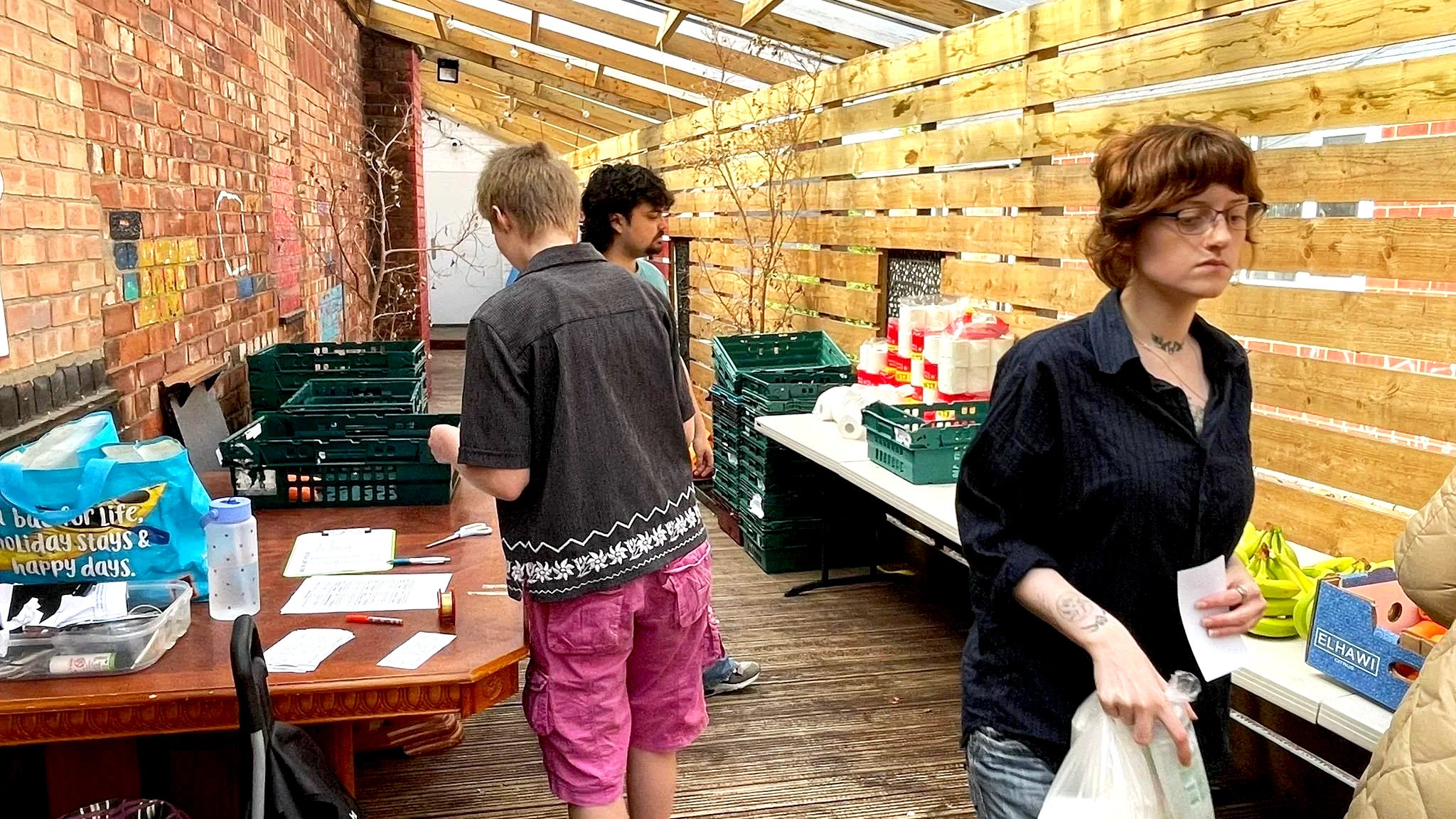
Court accompaniment. Community fundraising. Direct action, a Halloween picket on Gosforth High Street, a face-to-face meeting with the director of Jan Forster Estates, protests outside Mears in Darlington. Emergency training in parks on May Day. And 100s of members who show up. Call 07393 101018.
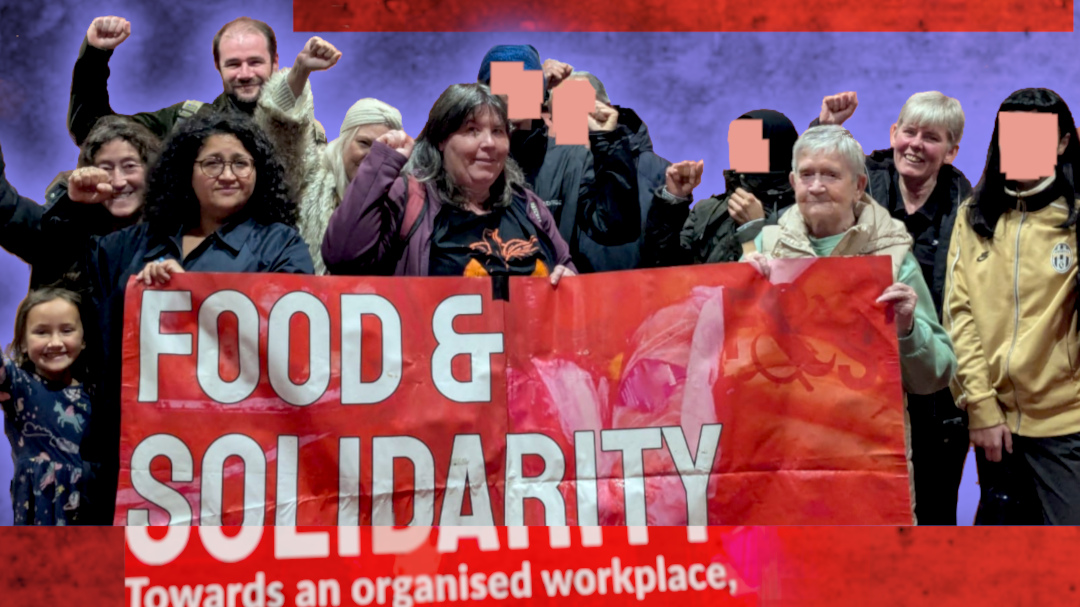
This is a consultation. That's meant to mean we've been invited to speak. But the words have already been chosen for us.
The form asks us to rank things that can't be ranked. It wants us to put, in order, the ways housing can improve our health, to say whether access to healthcare matters more than clean air, or a park more than a well-lit street. There's no honest order to that.
Your rent went up. The government spent 48 hours saying it might do something about that. On Monday the Chancellor said she was thinking about a freeze on rent increases. By Wednesday the Housing Minister was on the radio explaining why that would hurt tenants. Local elections are on 7th May. Labour is expected to lose seats across the country. The story appeared four days before polling day. They dropped it.
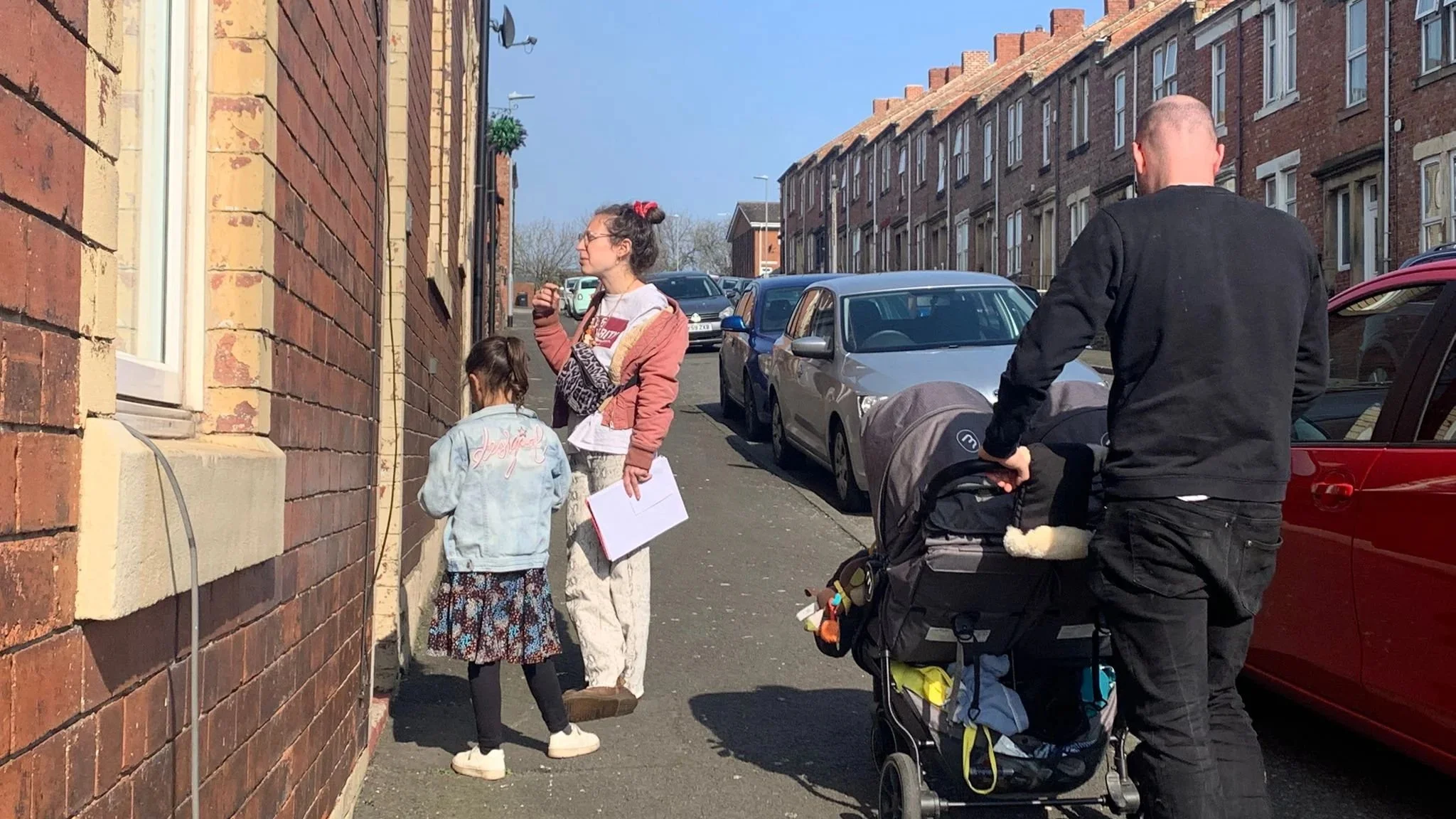
Door Knocking in Newcastle: Join Our Spring 2026 Recruitment Drive. Worried about talking to strangers? Here's why door knocking builds community, and why you should join our April 2026 volunteer drive in Newcastle. No experience needed.
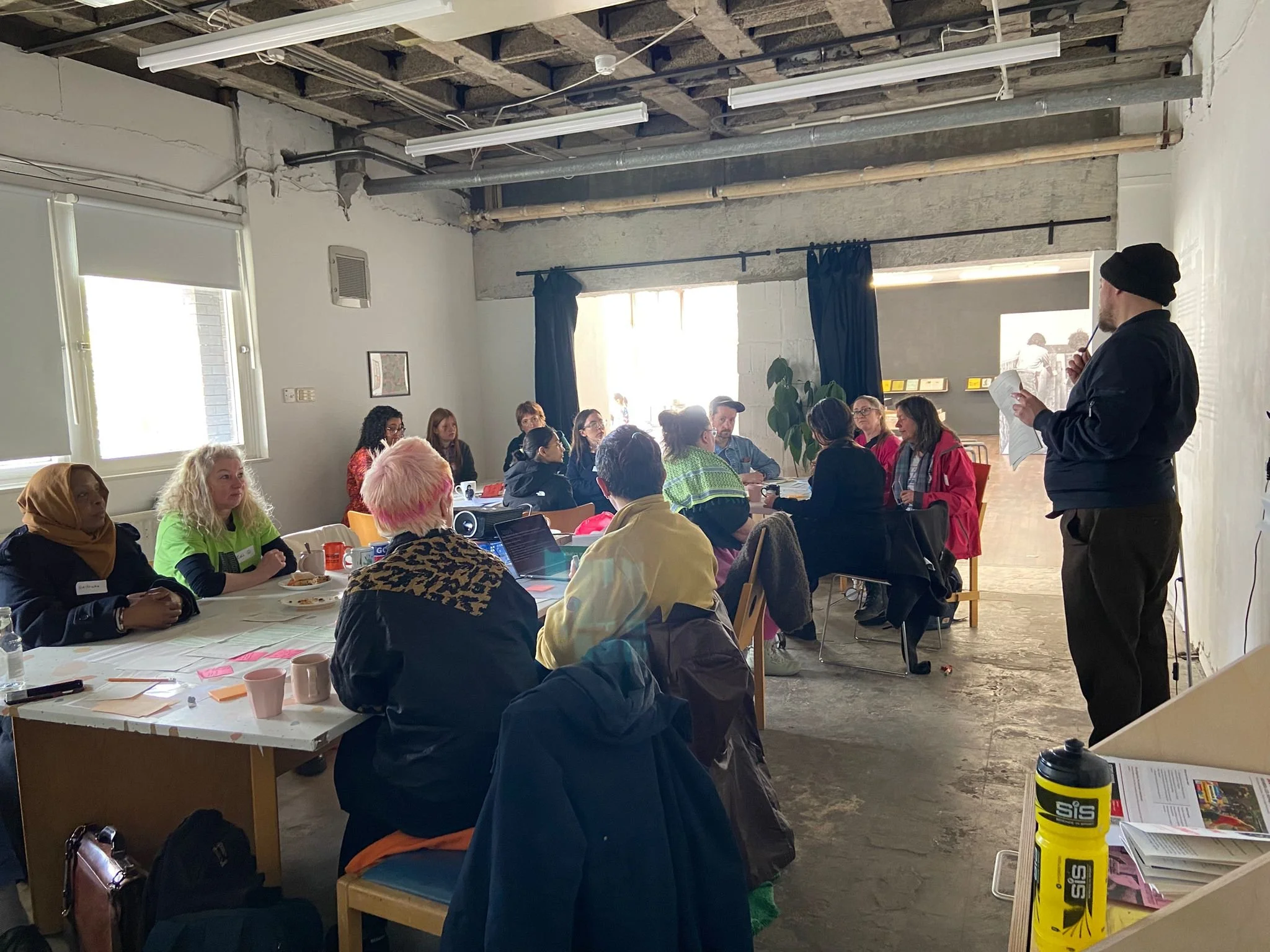
Food & Solidarity is a member-led organisation in Newcastle upon Tyne. Members help members with food and housing security by working together to hand out food parcels, fight companies and stop evictions. This week, we thought about how organisations like ours come together over a common cause to do great work to create positive change or block negative change.
They do this by; listening to its members and adapting their approach based on what people said they needed, for example the national “Don’t Pay Campaign” in 2022 October price cap: what is the Don't Pay UK movement and your rights | Cambridgeshire Live and the more local activity to scrap the two-child benefit cap. Here, North East residents took action to Kim McGuinness, the North East Mayor, to demand the scrap. Both movements won what they were fighting for.
They were successful through coming together on a goal that everyone agreed to and taking action in a way that everyone agreed to. They changed things when members spoke out about it, and each person did what they said they were going to do. However, another thing these movements have in common was that after the goal was reached, the organisation came to an end, or didn’t go on to have any more great successes.
We think this is because of two reasons: people stop showing up, burnt out. Then, because people stop showing up, the organisation doesn’t achieve its goals, so those who stayed feel burnt out fighting for a change that doesn’t come.
So how do we make Food and Solidarity different so that we can keep fighting for our members and our communities?
Keep food at our heart. Every week, even if nothing changes, all our members are able to say that they contributed to someone getting food: themselves, others, or both. There is consistent good produced.
We show up when we say we will, and we do what we say we will do, for ourselves and each other.
We are flexible, members can contribute different things at different times depending on what works for them.
We lift each other up, with kindness, empathy, and curiosity for different world experiences.
We follow the people, standing with them on not just one issue, but any issue right-here-right-now. By doing this, we remain current and ready to take action as it comes.

The Housing Crisis Is Destroying Our Communities
When rents rise, whole neighbourhoods change. The people who built communities, who know their neighbours, who use the local school, the local shop, the food bank get pushed out. The housing crisis doesn't just affect renters. It hollows out the places we all live in.
Sky-high rents are forcing people to cut back on essentials like food and heating. Families are being pushed out of their homes altogether, cut off from family, friends, and community. Homelessness has reached record levels. There are an ever-increasing number of homeless deaths. Disabled renters face discrimination and cannot secure accessible homes. Institutionally racist housing associations and council landlords neglect and mismanage estates damaging our health and letting children like Awaab Ishak die.
This is not bad luck or mismanagement. It is the result of decades of political choices. For too long, successive governments have prioritised the desire of private developers and corporate landlords to make a profit over our need for affordable, secure, accessible homes. This can't go on. It's time to fight back.
Landlord wants to raise your rent? You can force them to cut it. A landlord wanted to charge £2,475 a month.
The tenant fought back.
The court said: No. Pay £1,950.
That is less than they were paying before!